Jordan Halsey
Jordan Halsey
I photograph things in transition. Landscapes in flux — the intermediate stage between before and after. All I want to do is record that image, and nowhere is that state more evident than in the urban landscape.
It's why I started photographing Los Angeles as a long-term project: to record the city changing across my lifetime. What holds me is the shadows of time — the layers a city reveals through deconstruction.
I don't consider myself a photographer, but I've been taking pictures my whole life. I started at fourteen with a Nikon EM. Architecture school gave me decent cameras and a black-and-white darkroom. At twenty-eight I bought a Nikon F3 and got organized — a friend would name a film stock, and I'd shoot only that until he told me to change. A Mamiya 7II rangefinder taught me to get the exposure I wanted, fully manual.
I love the work of Bernd and Hilla Becher and Candida Höfer. With more appetite for diligence — which is not my direction — I'd shoot 4×5, rectify my perspective lines, and work in that vein. That isn't what I'm after. My photographs have always been about learning the mechanics, and finding things I love enough to point a camera at.
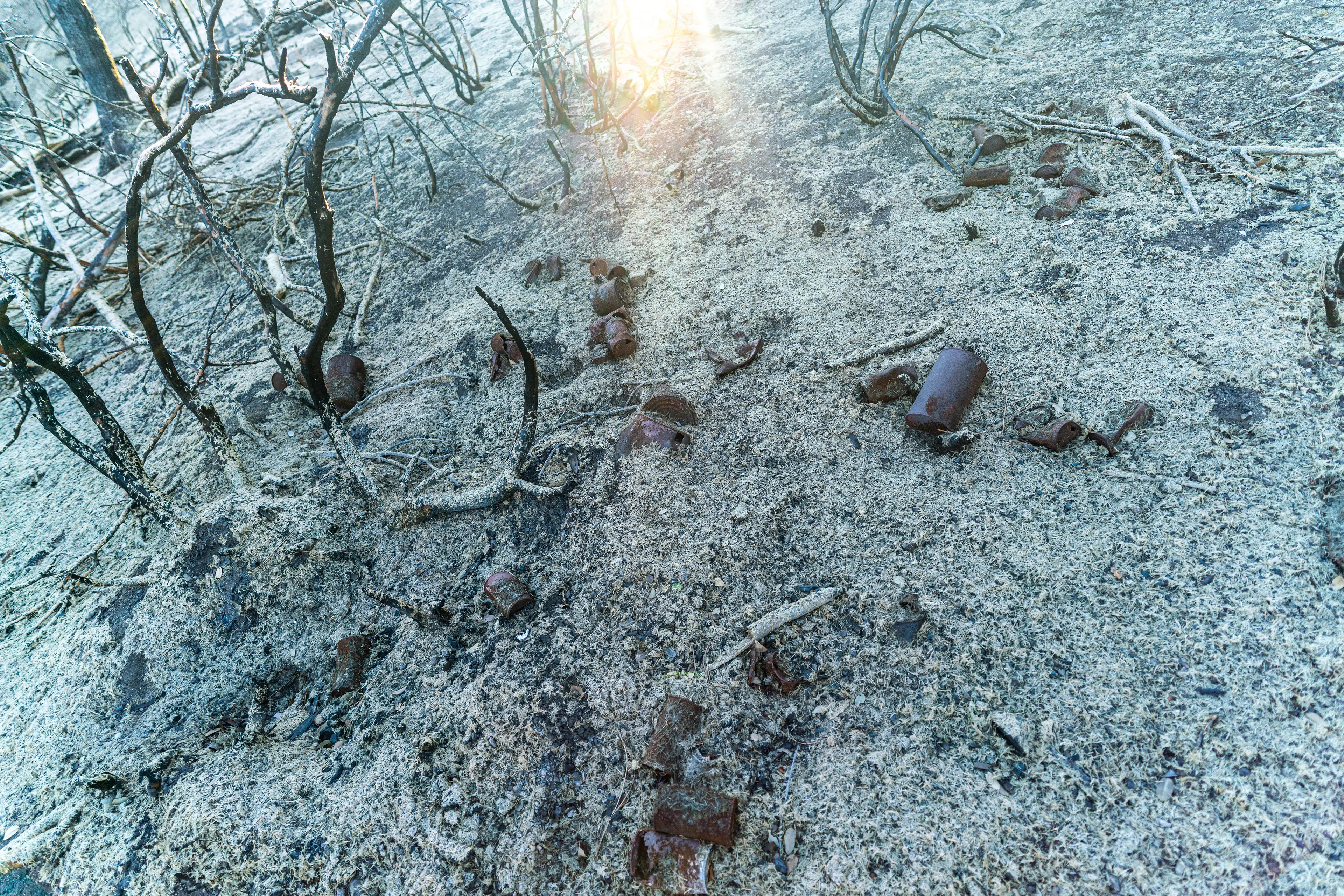
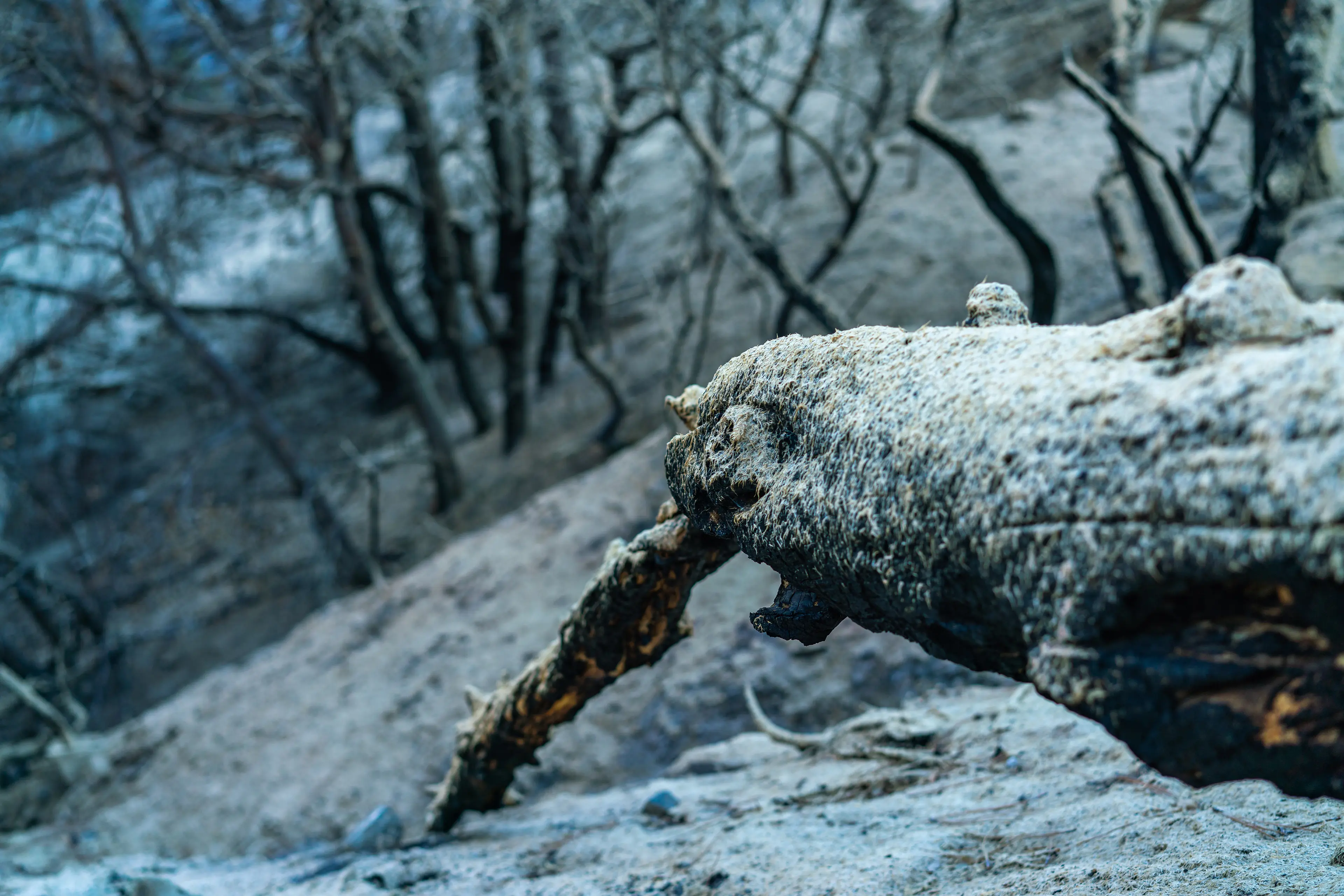
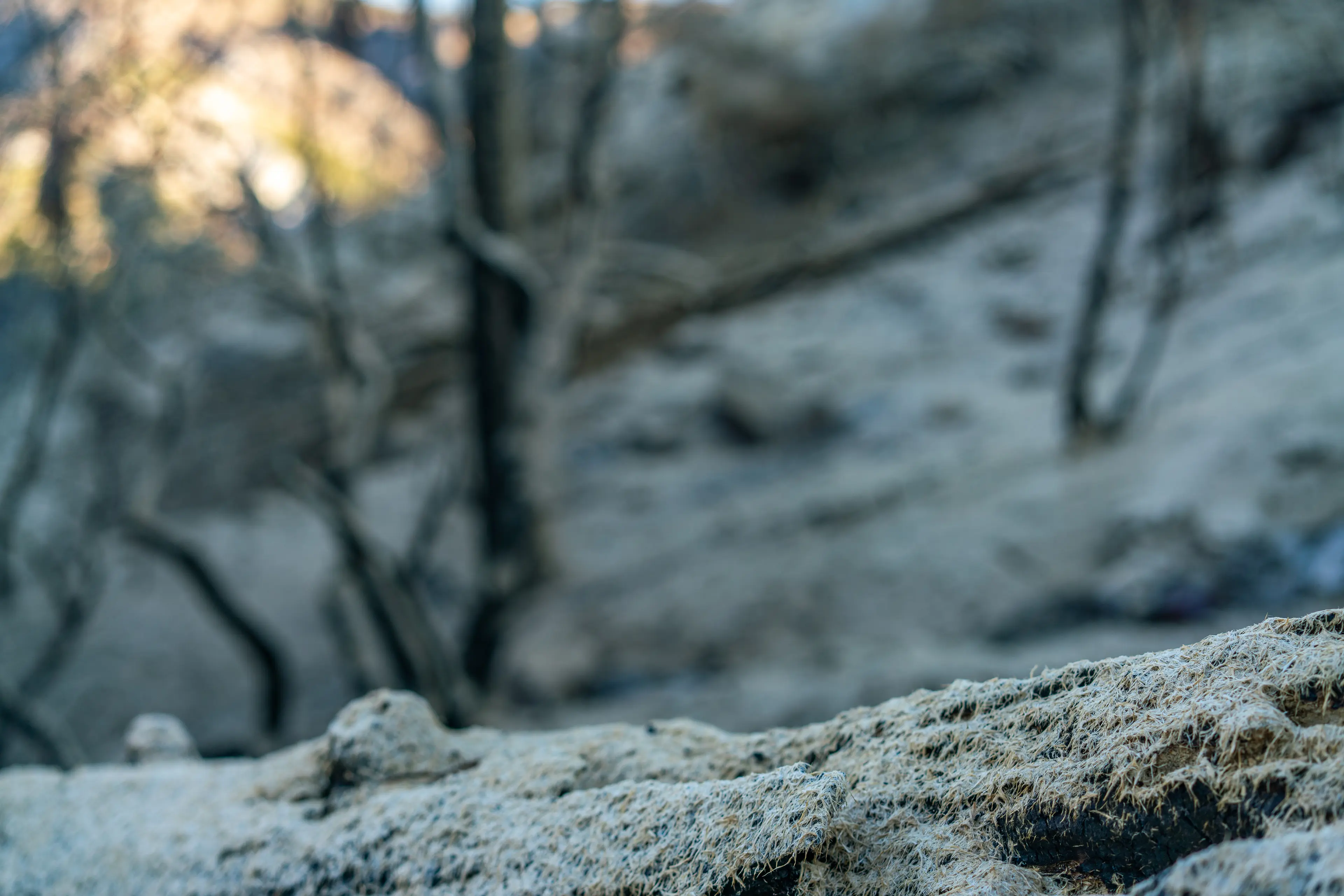
The San Gabriels photographed through the cycle of burn scar, snowmelt, and regrowth — the mountains right above the city.
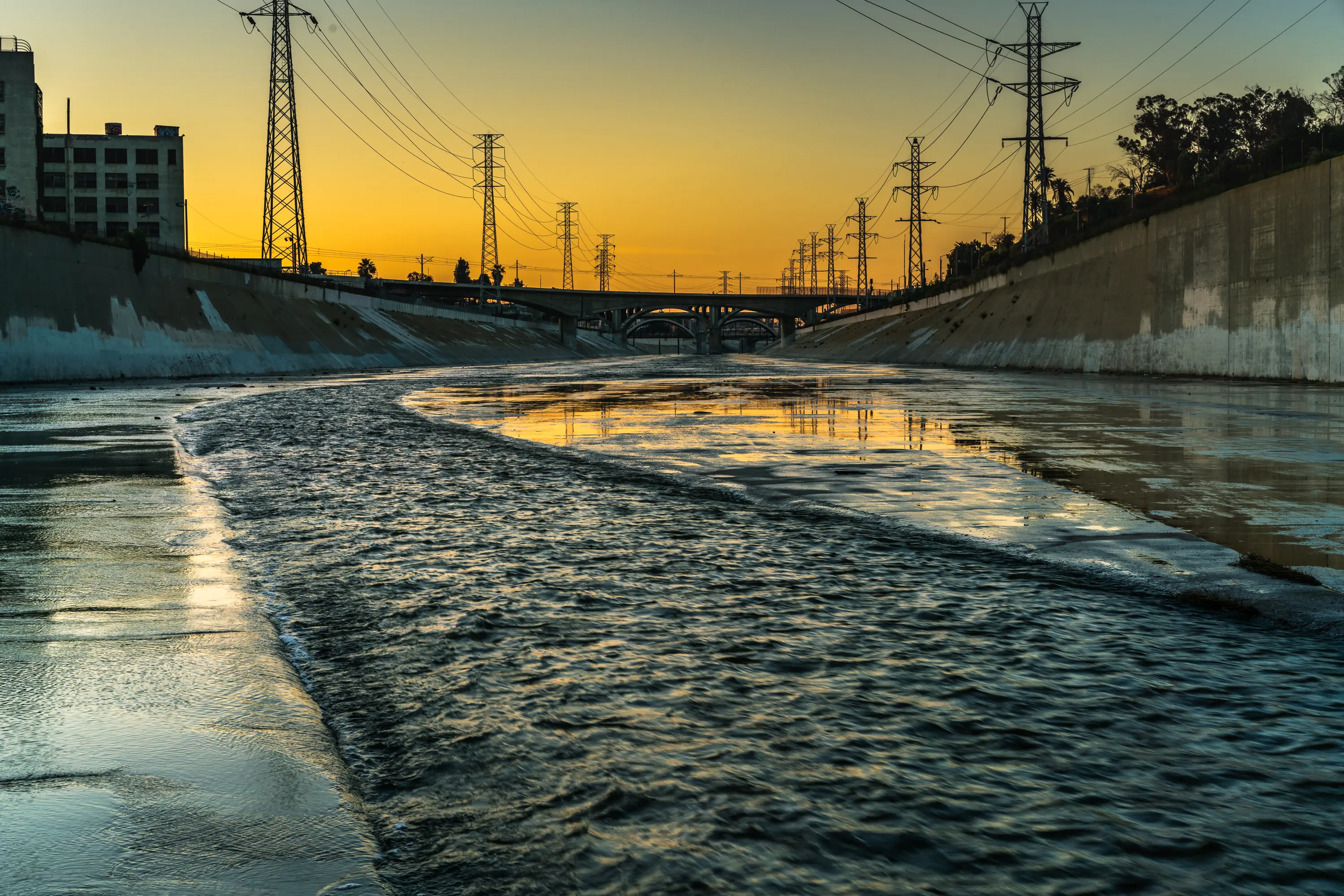
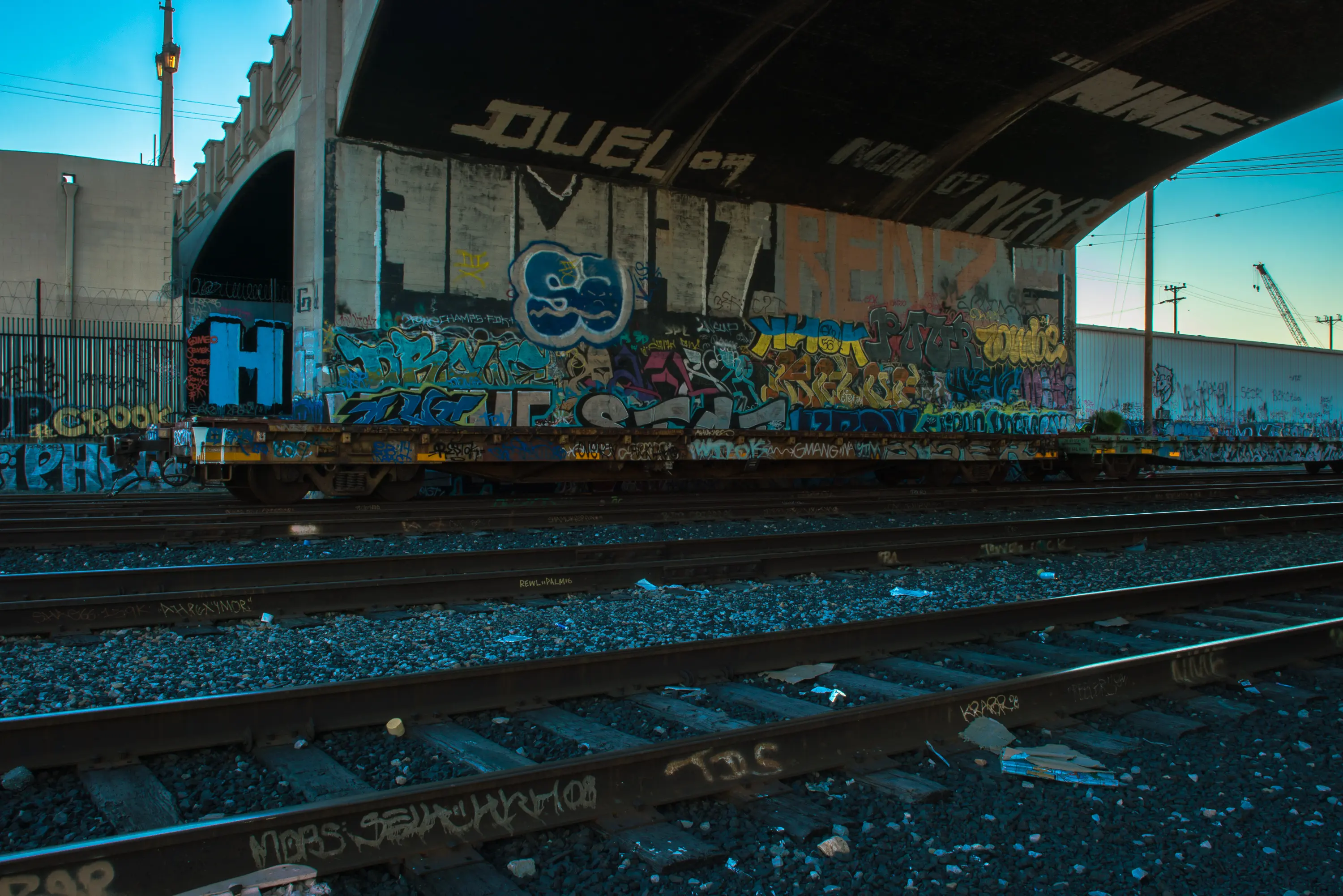
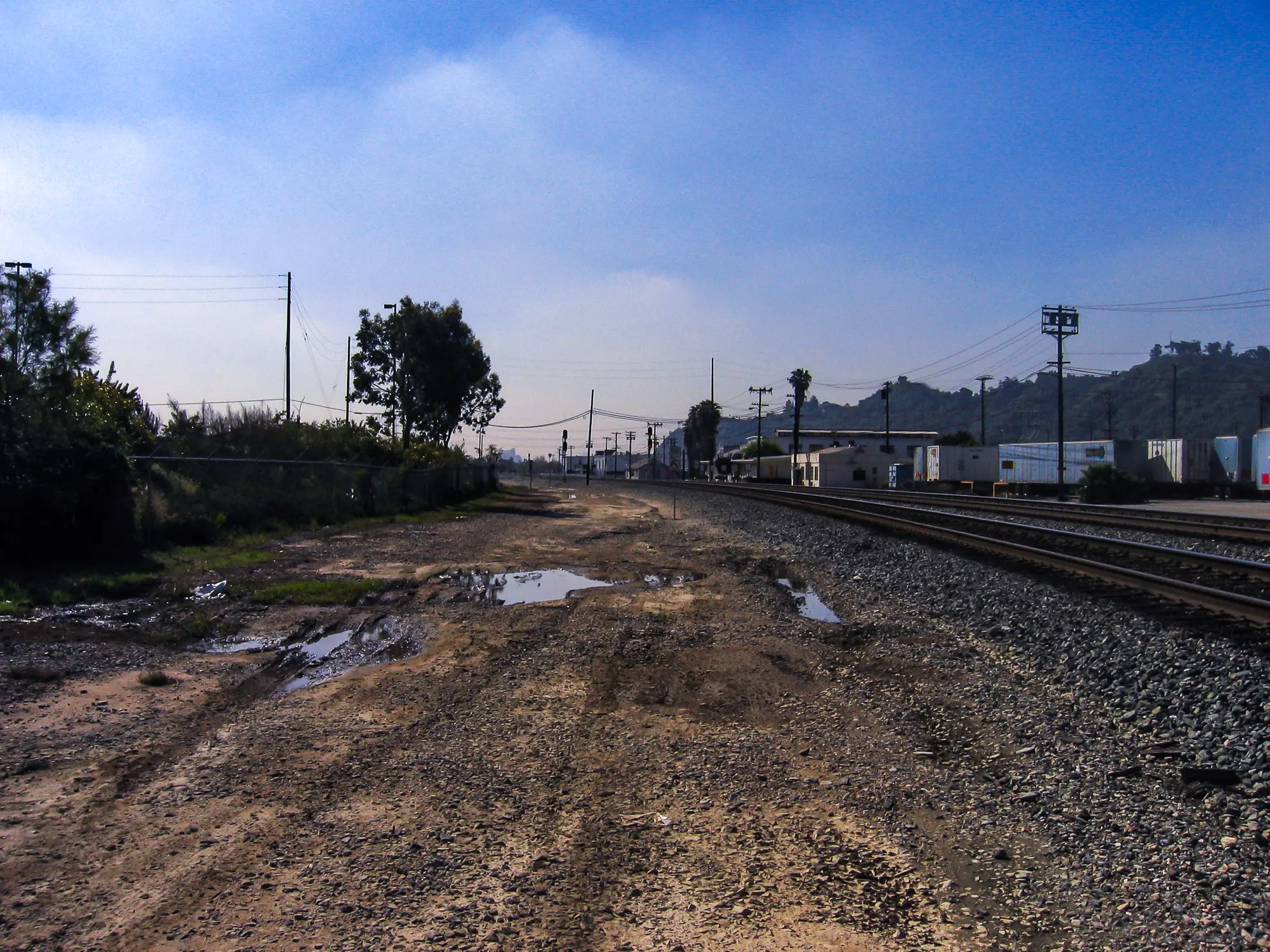
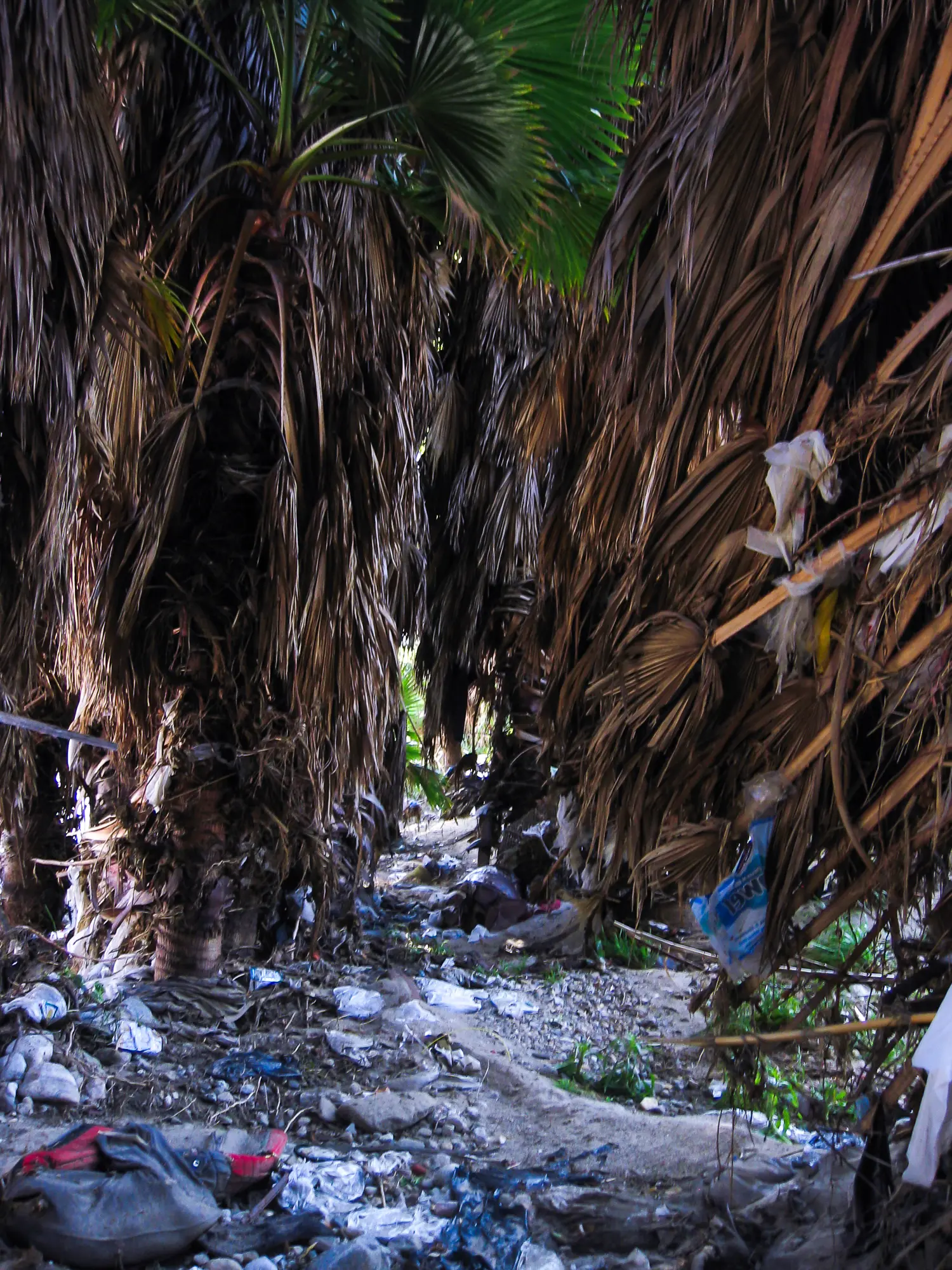
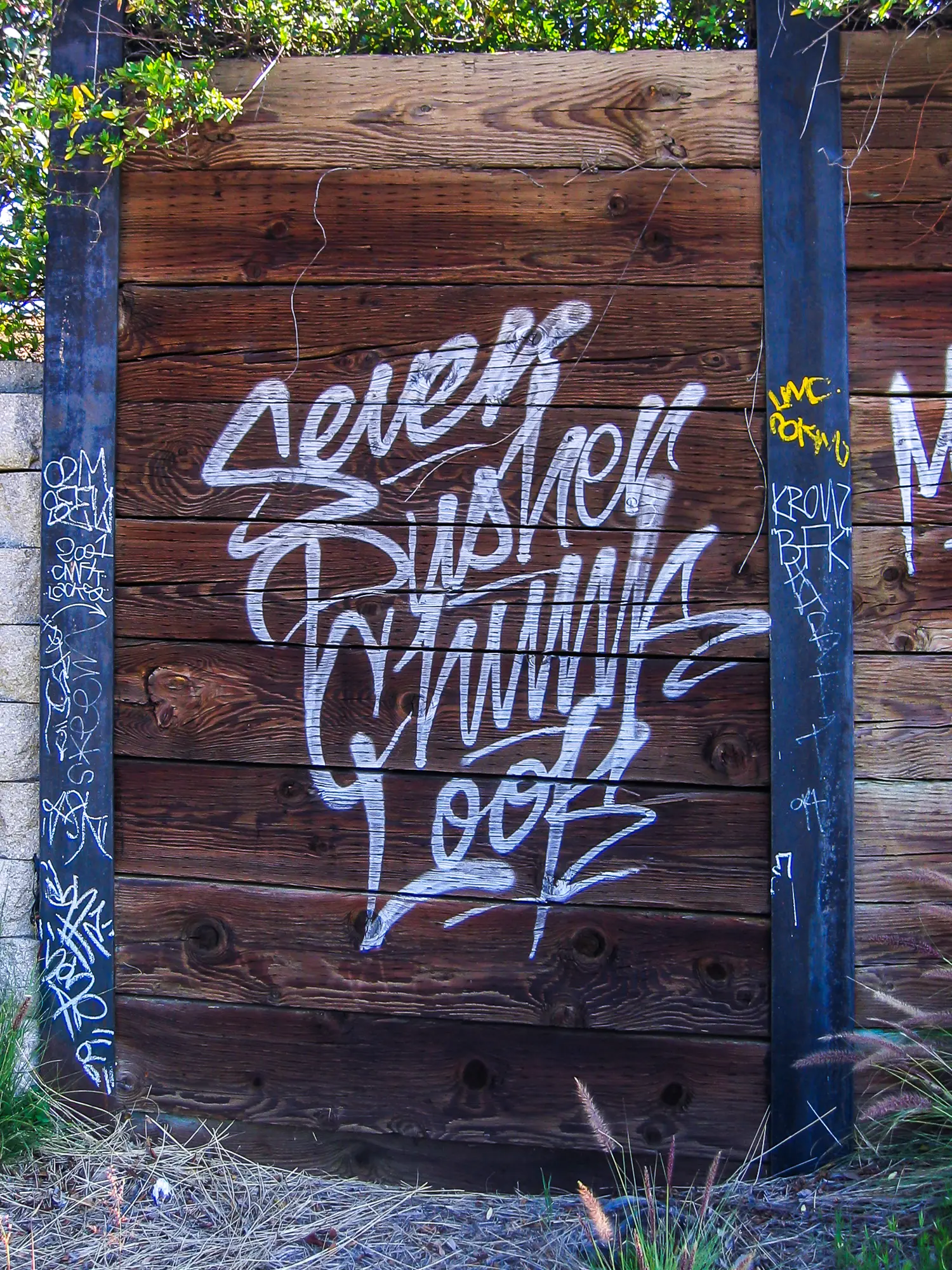
Transition, detritus, and organic movement — the river and its neighborhoods from the Los Feliz overpass down to Vernon, documented since the late 1990s.
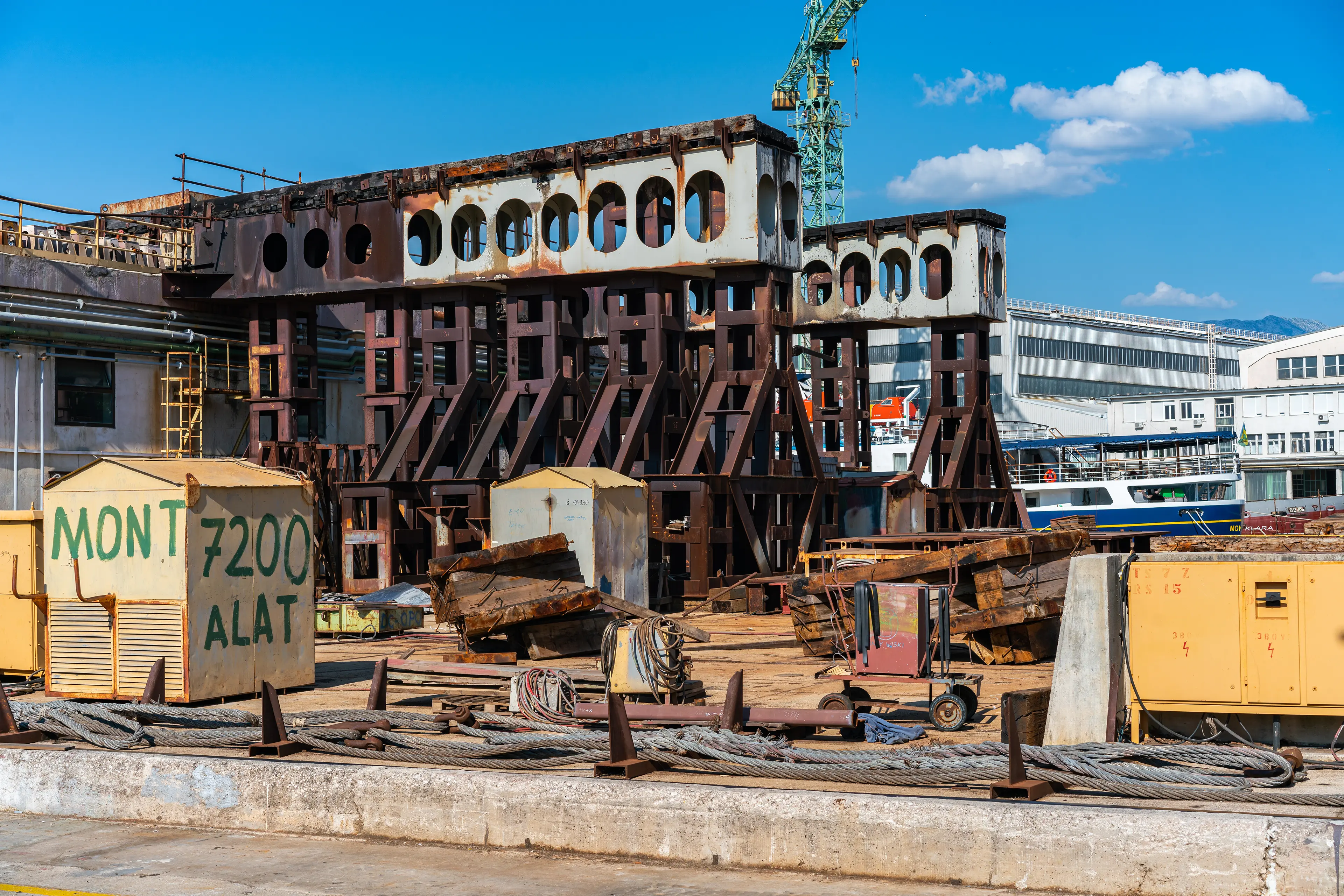
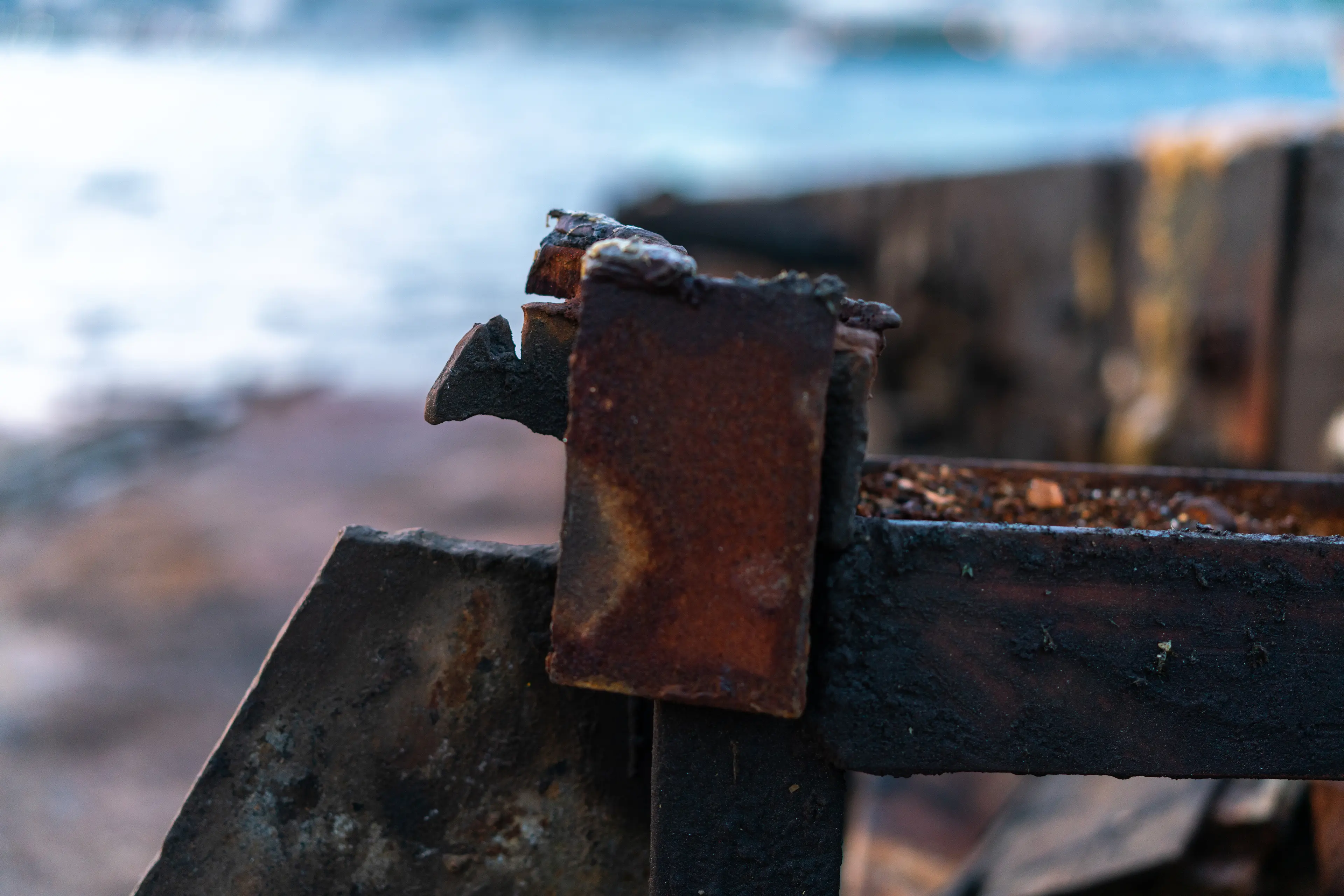
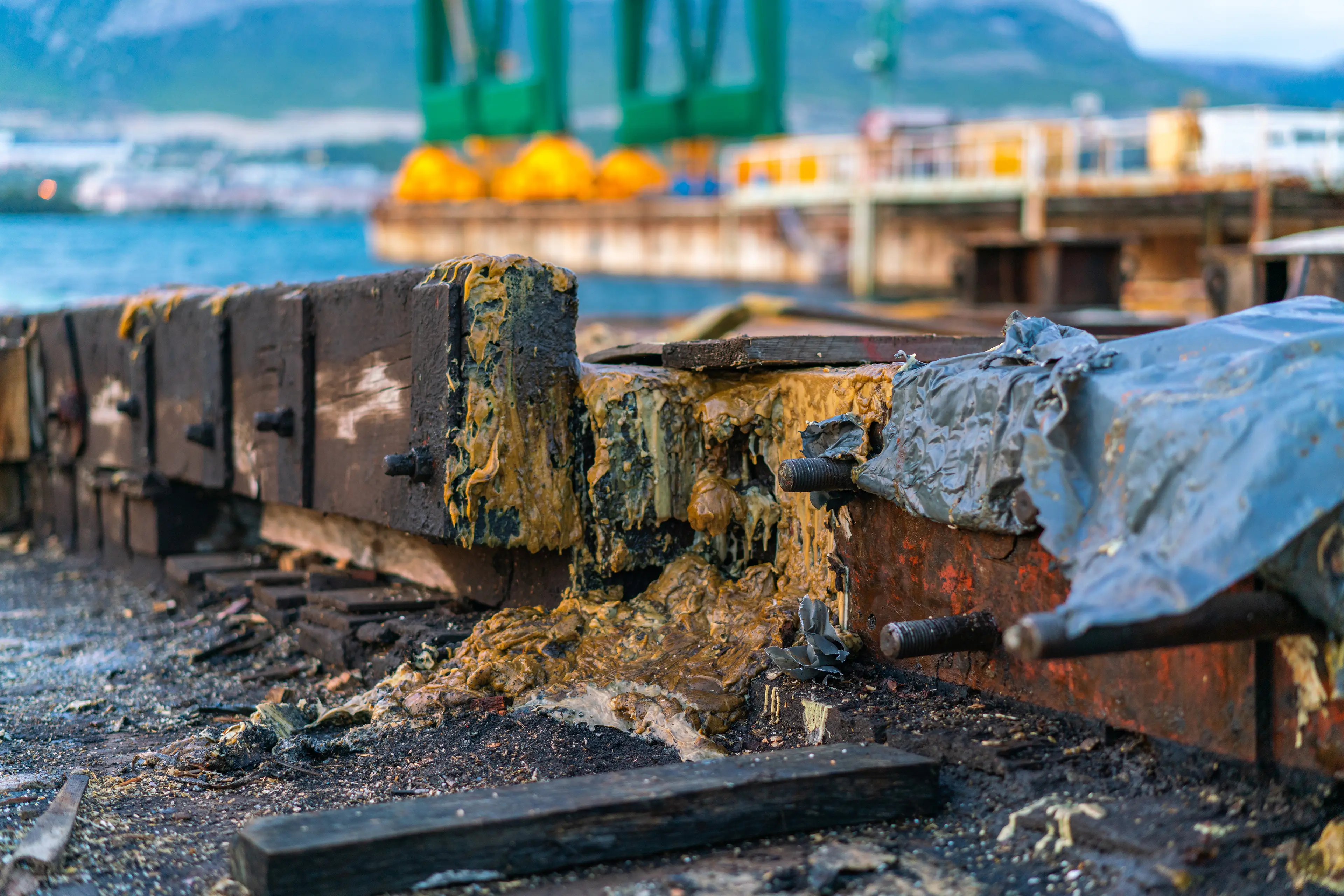
A repository of time and use — a working shipyard and naval base, once one of the largest in Eastern Europe.
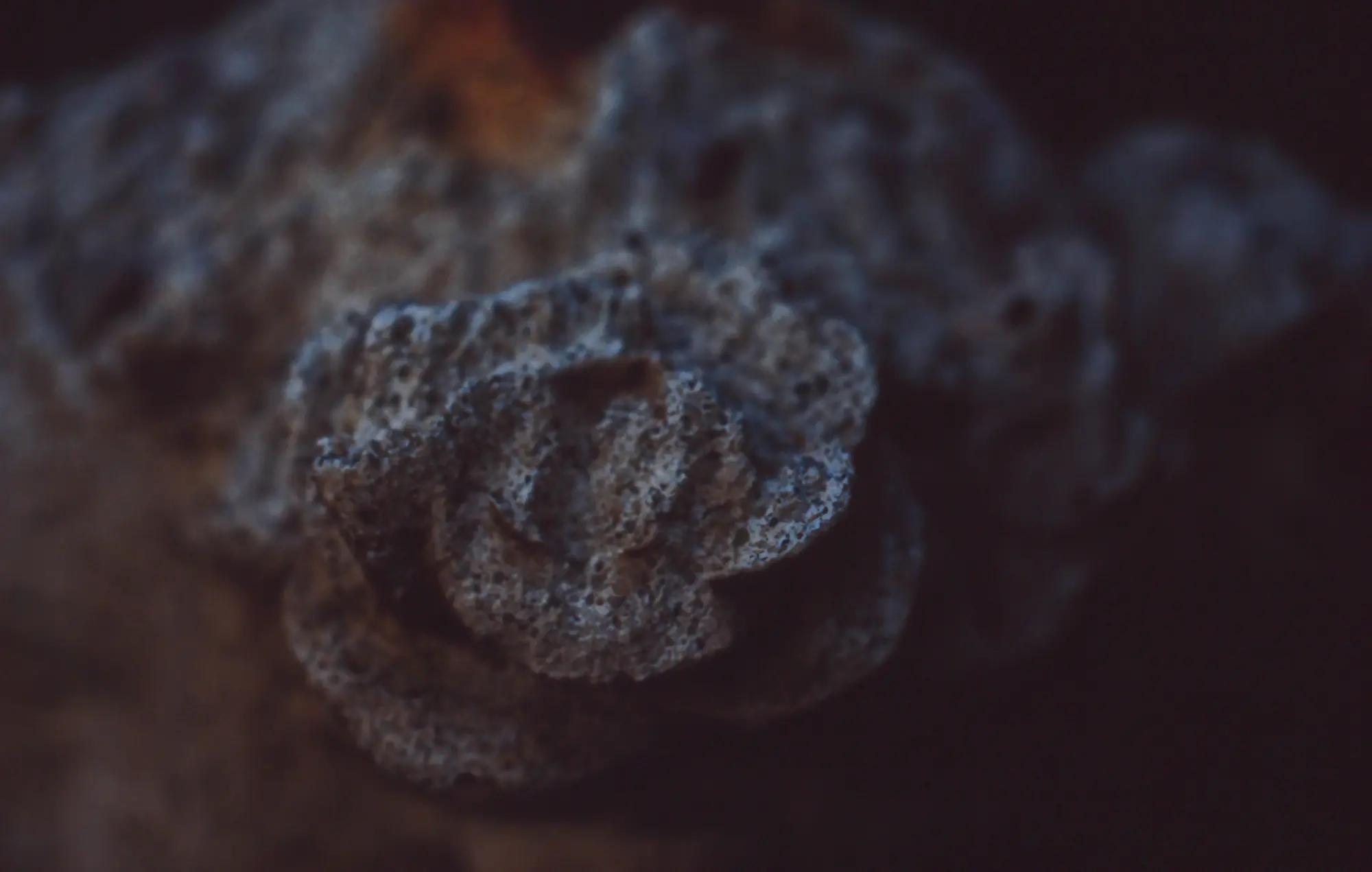
The Belgrade Fortress — ground occupied since roughly 49 AD — photographed above ground and in the catacombs carved out of solid rock beneath it.
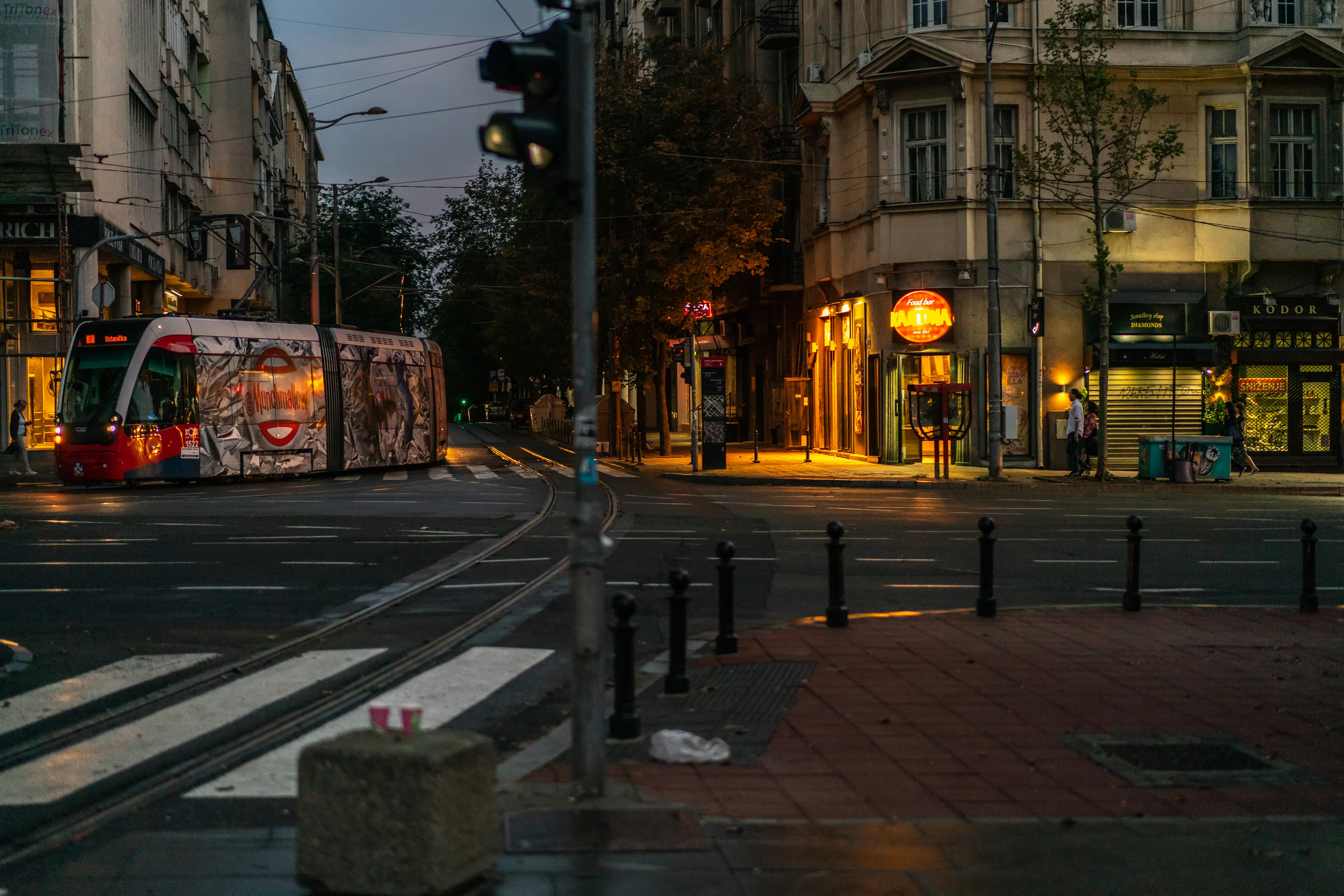
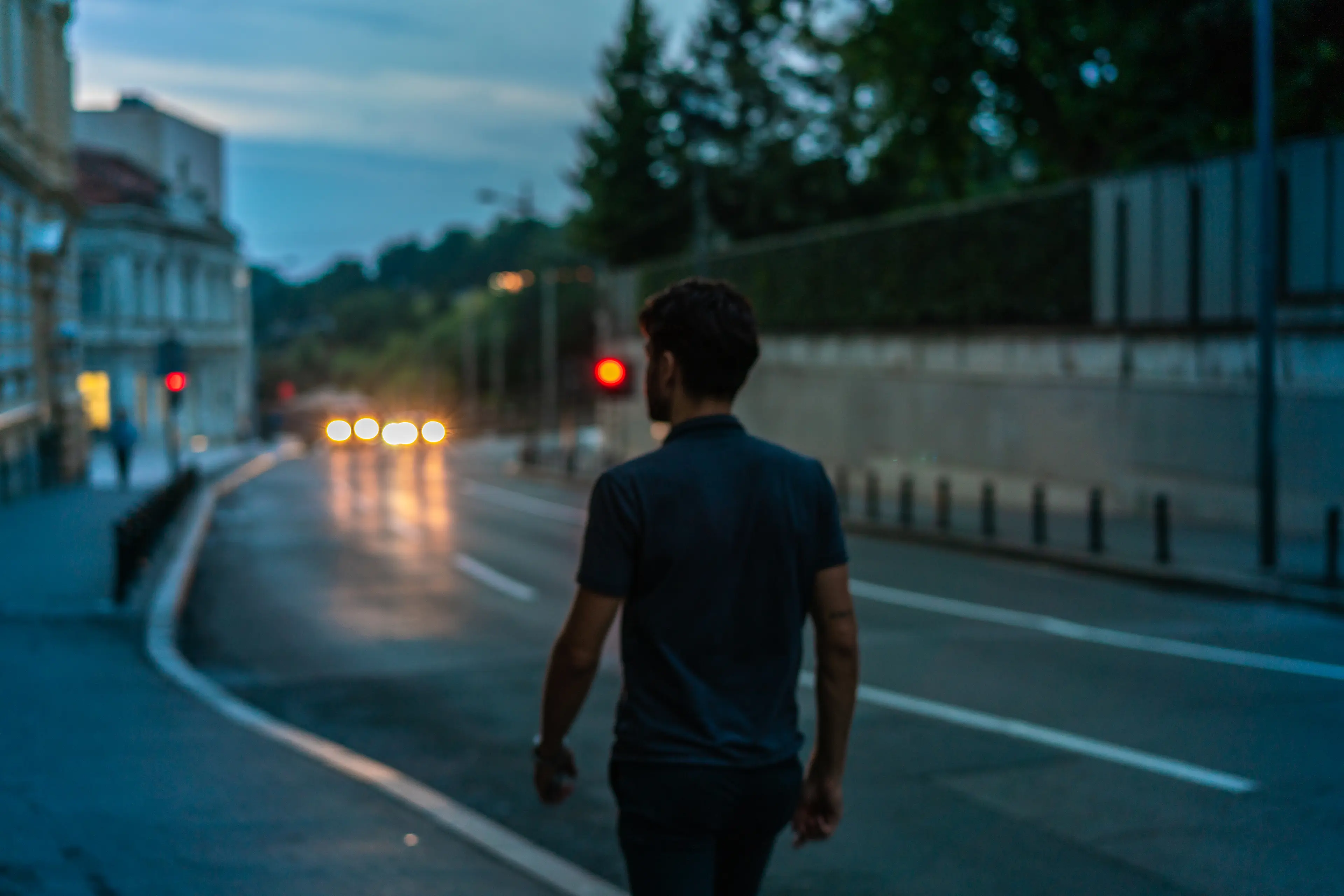
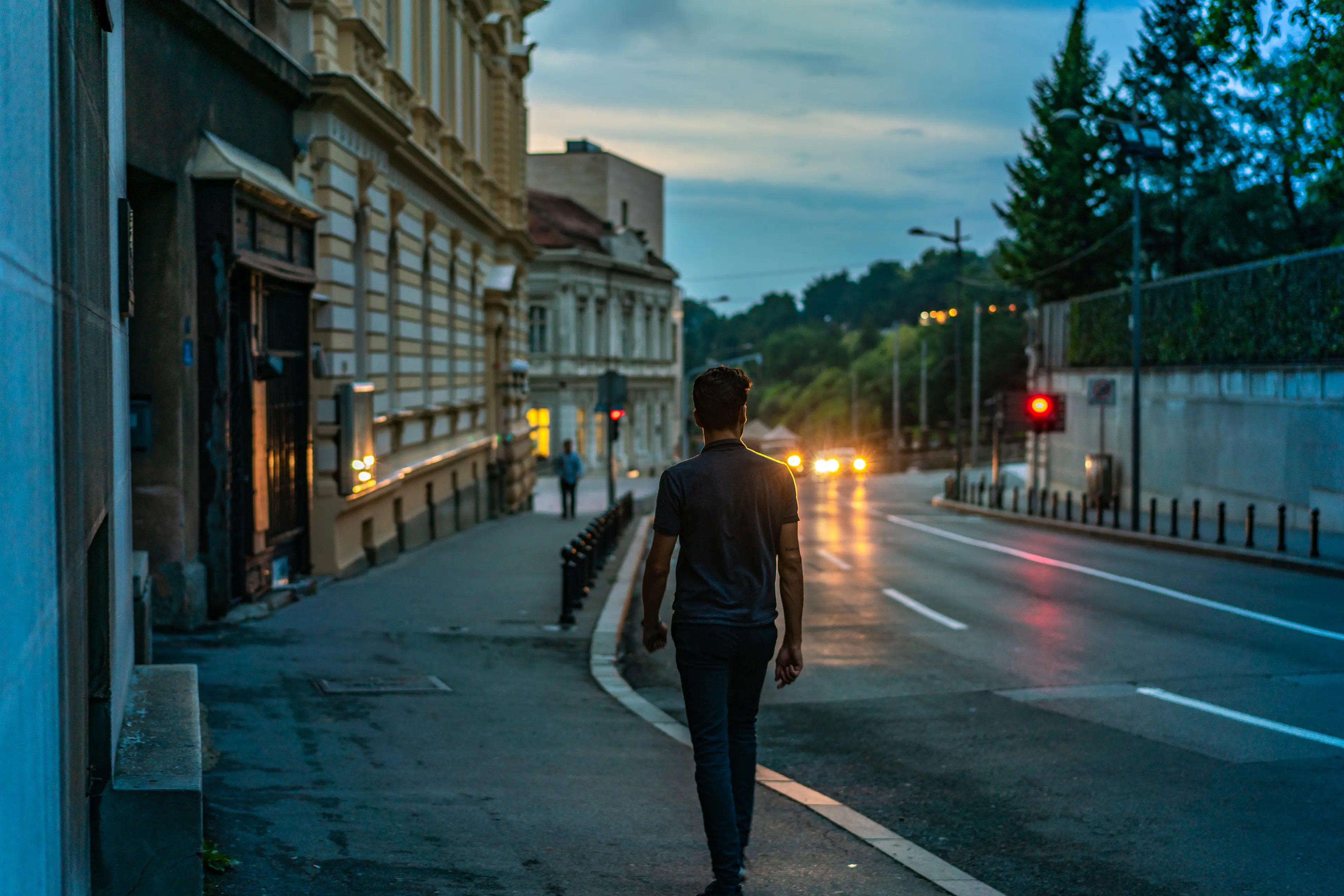
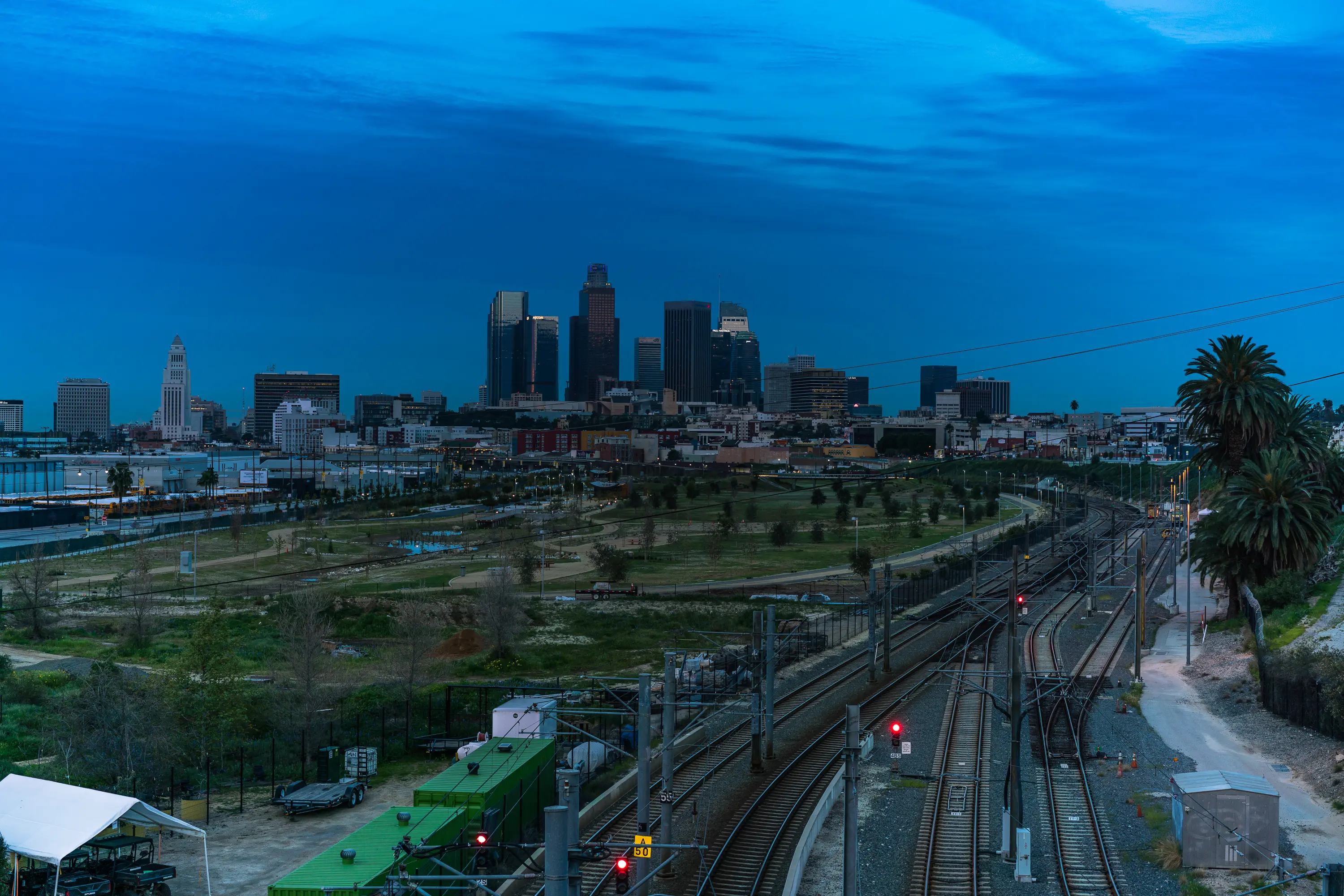
Los Angeles photographed devoid of people in the dawn hours — 4:30 to 7 am — alongside the abandoned spaces and detritus found in the same wanderings.