Virtual Reality — VR Playhouse
Virtual Reality — VR Playhouse
Girl tells the story of a 16-year-old girl who finds herself living with her grandmother in Joshua Tree, California, following the breakdown of her parents' marriage. VR Playhouse, a creative studio specializing in creating virtual and augmented realities, used the medium of 360 video and VR to bring the story to life.
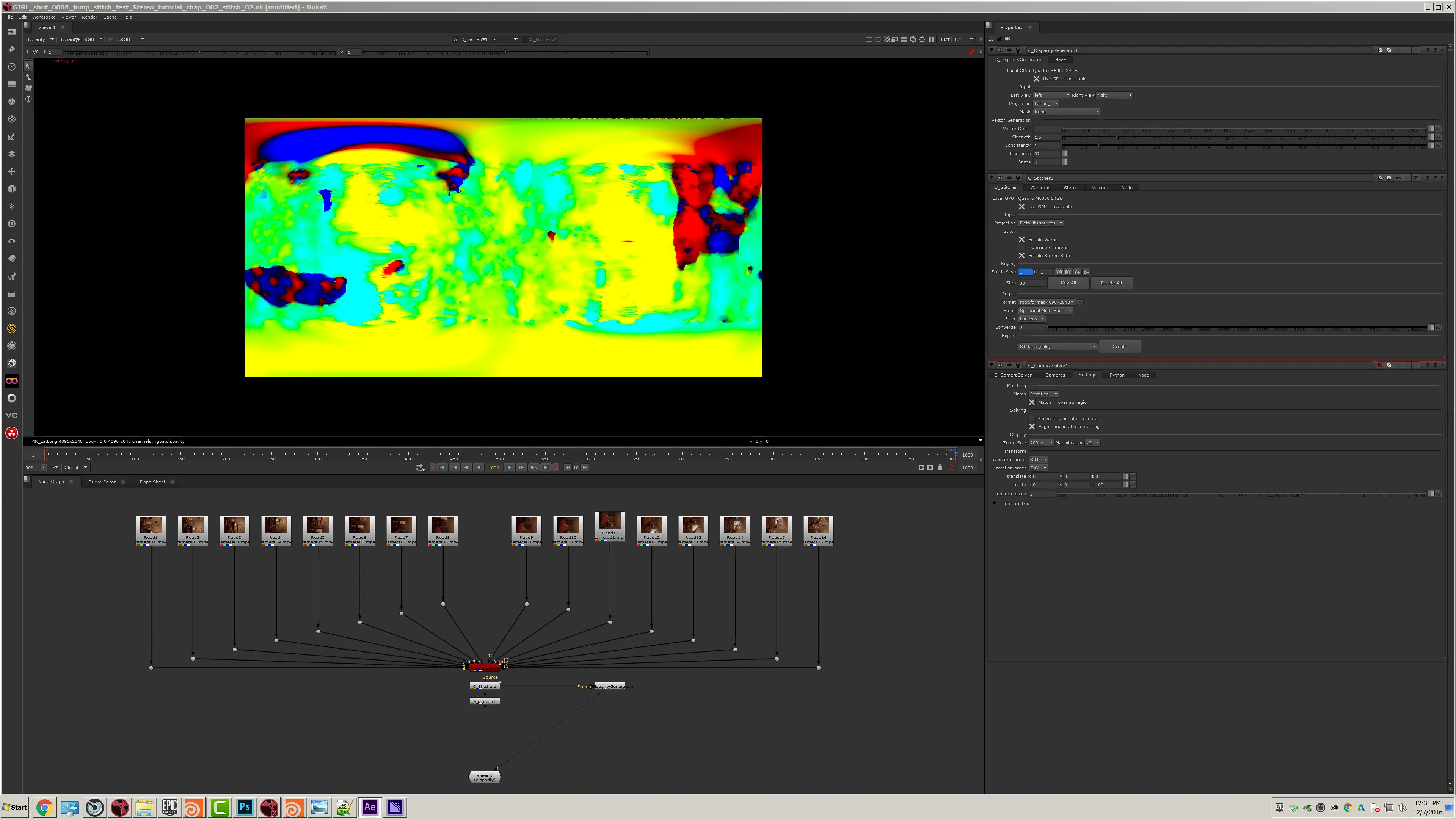
Audiences experience the story from the young girl's perspective through the use of Foundry's Cara VR for Nuke — the virtual reality plug-in toolset that dramatically speeds up the challenging process of stitching and compositing 360° video footage.
As the story unfolds, she discovers her grandmother's house — which at first appears haunting, but later becomes more inviting and cheerful.
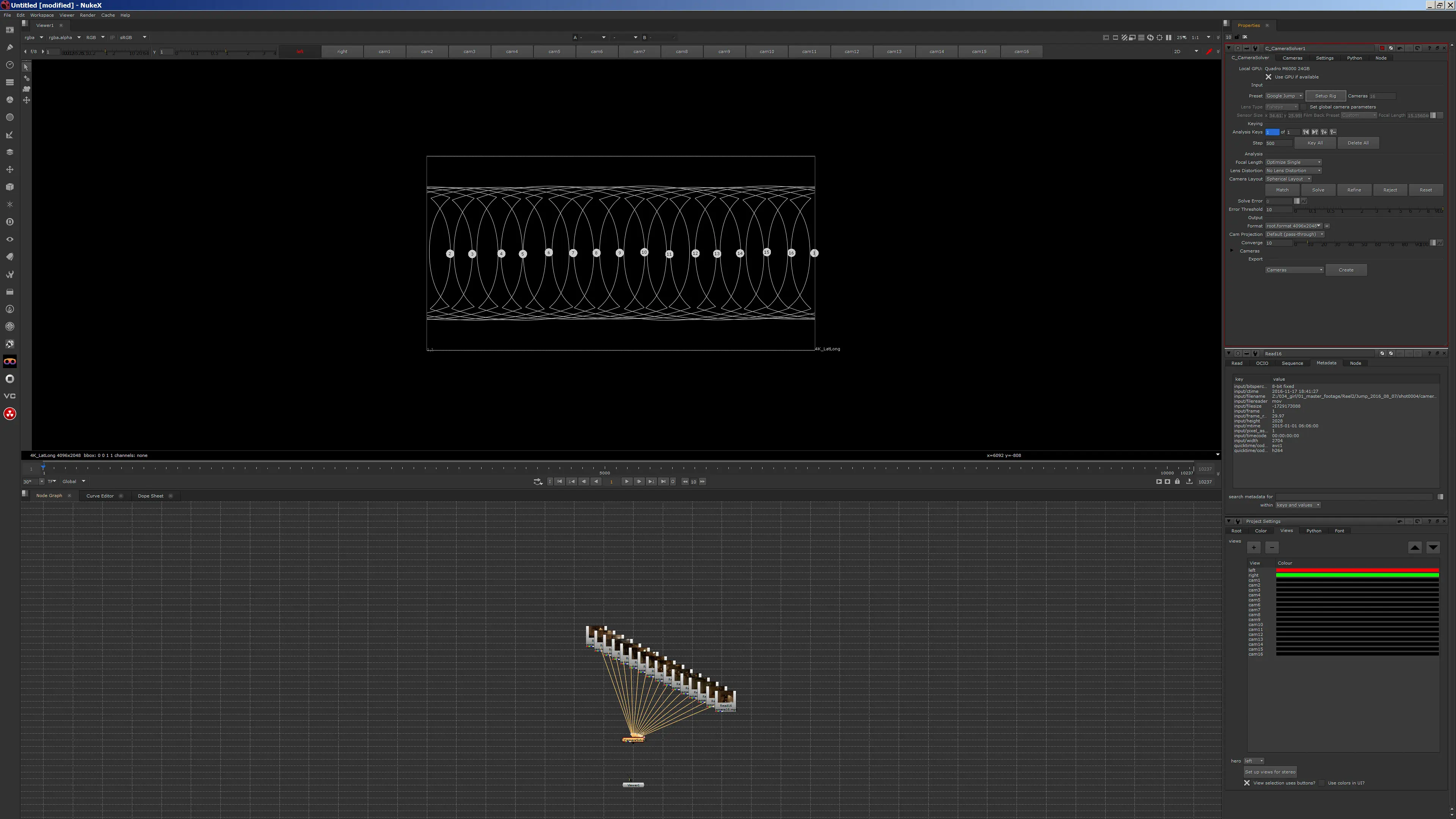
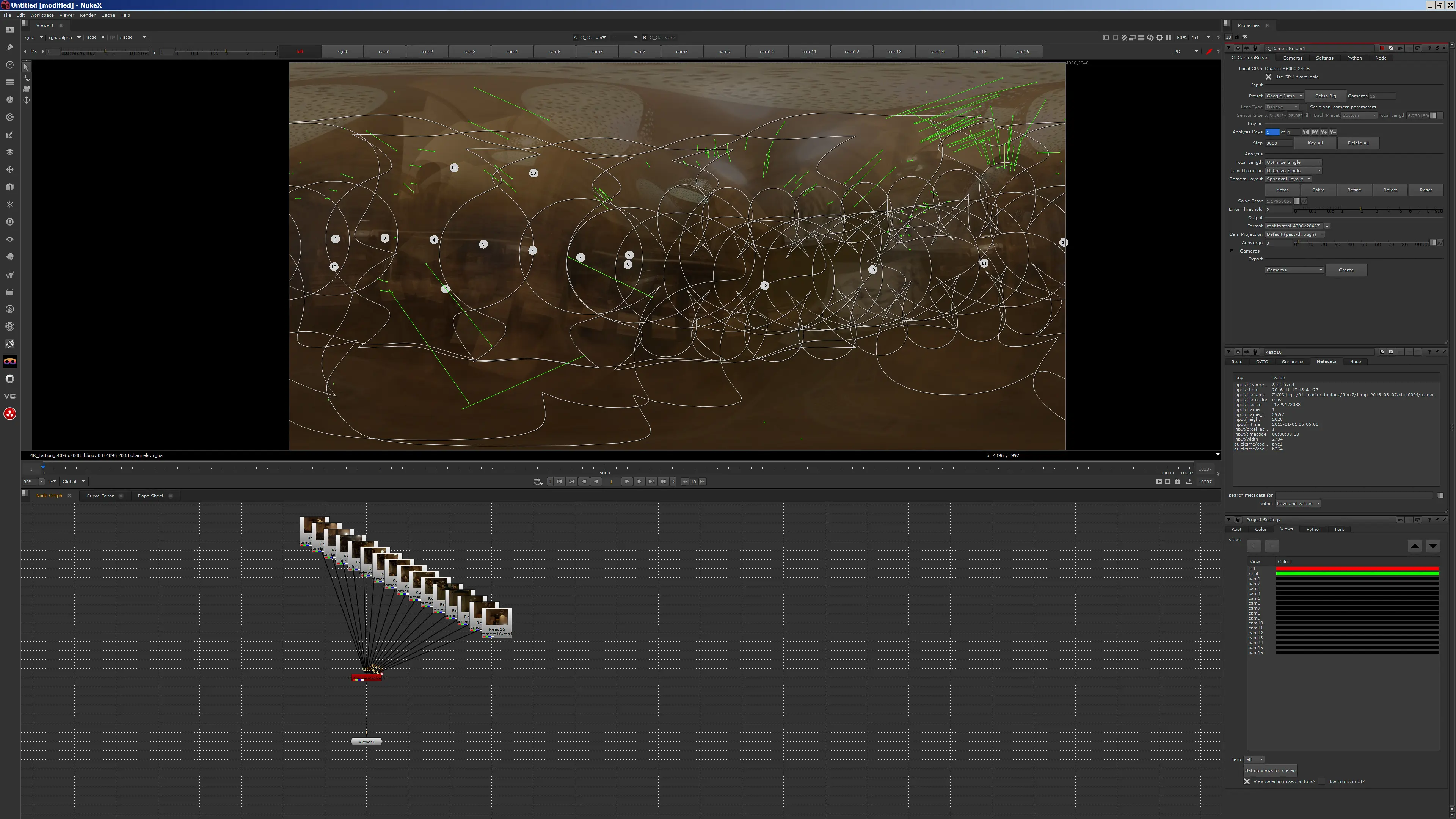
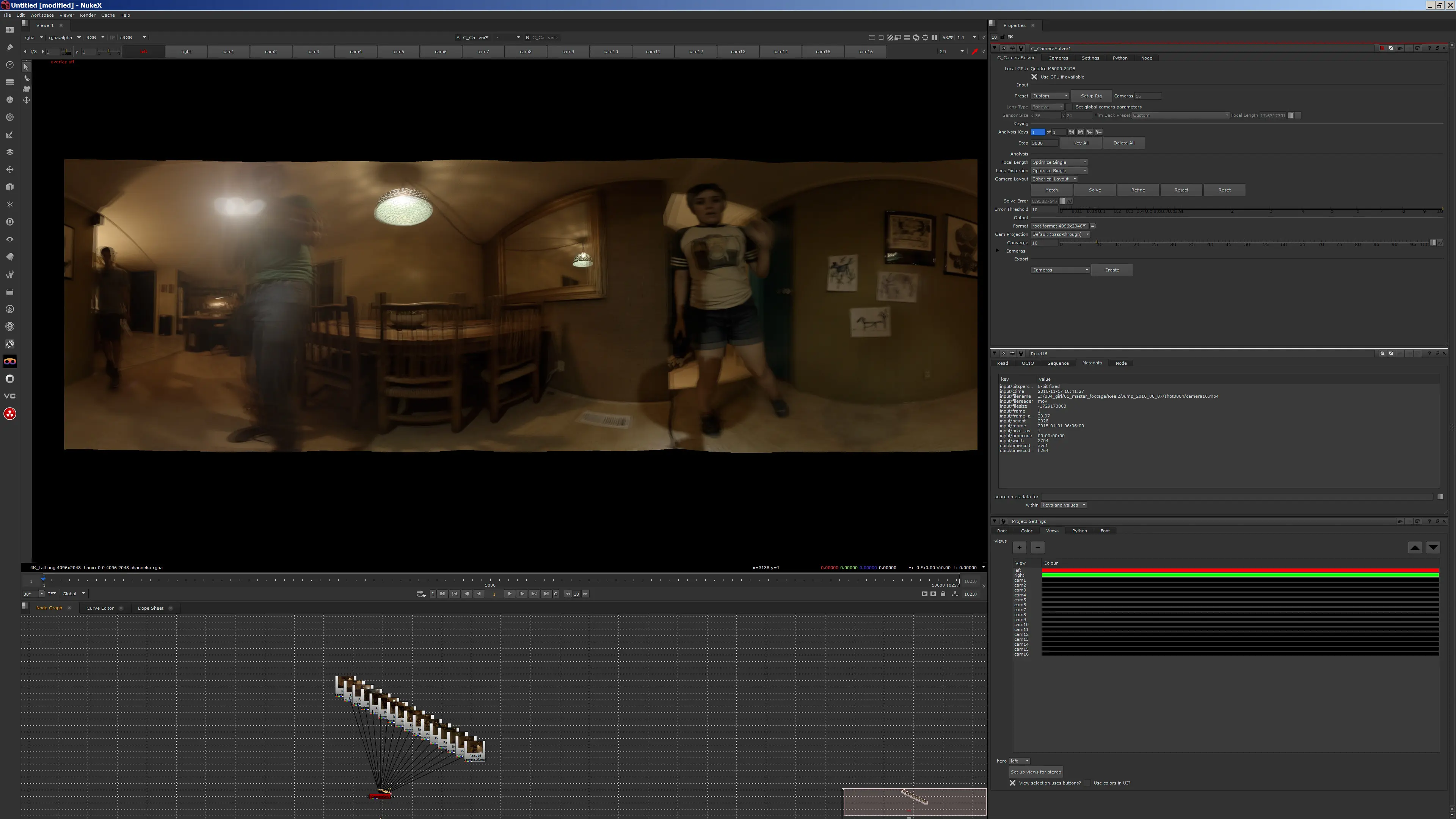
Every shot begins as a ring of overlapping camera views. Cara VR's camera solver inside Nuke aligns the rig, matches the views, and rebuilds them into a single seamless latlong panorama.
It is the challenging part of 360° production — and the toolset that dramatically speeds it up.
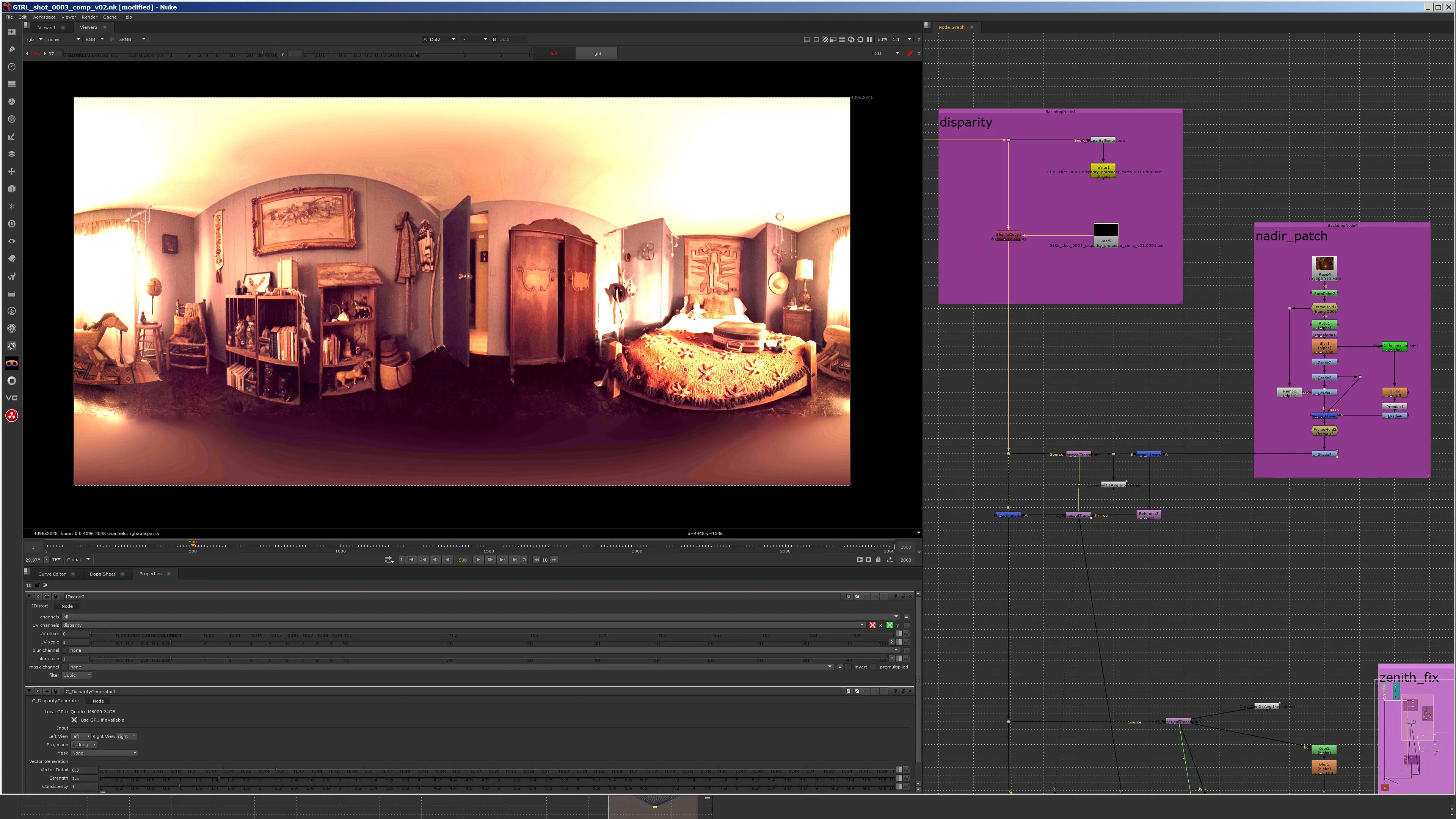
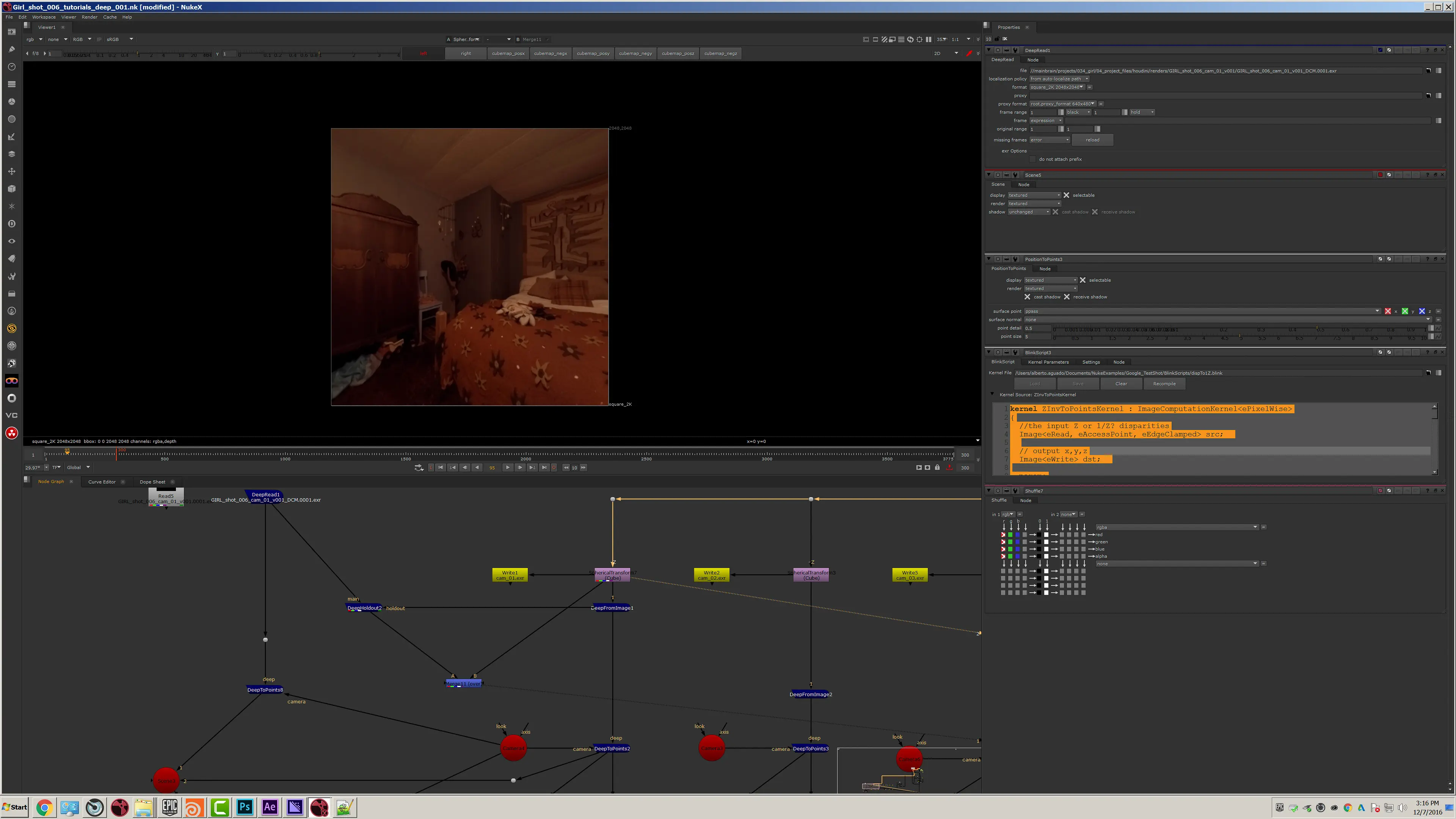
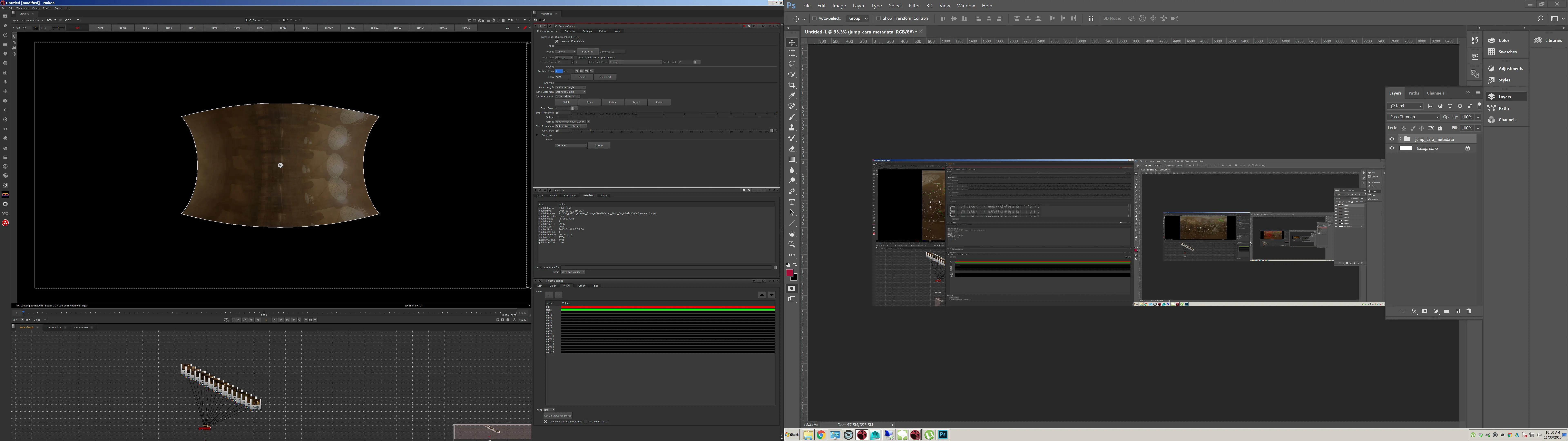
Under the finished frames sits the data layer — disparity maps and depth channels generated in Cara VR, driving the stitch and the compositing work on every shot.
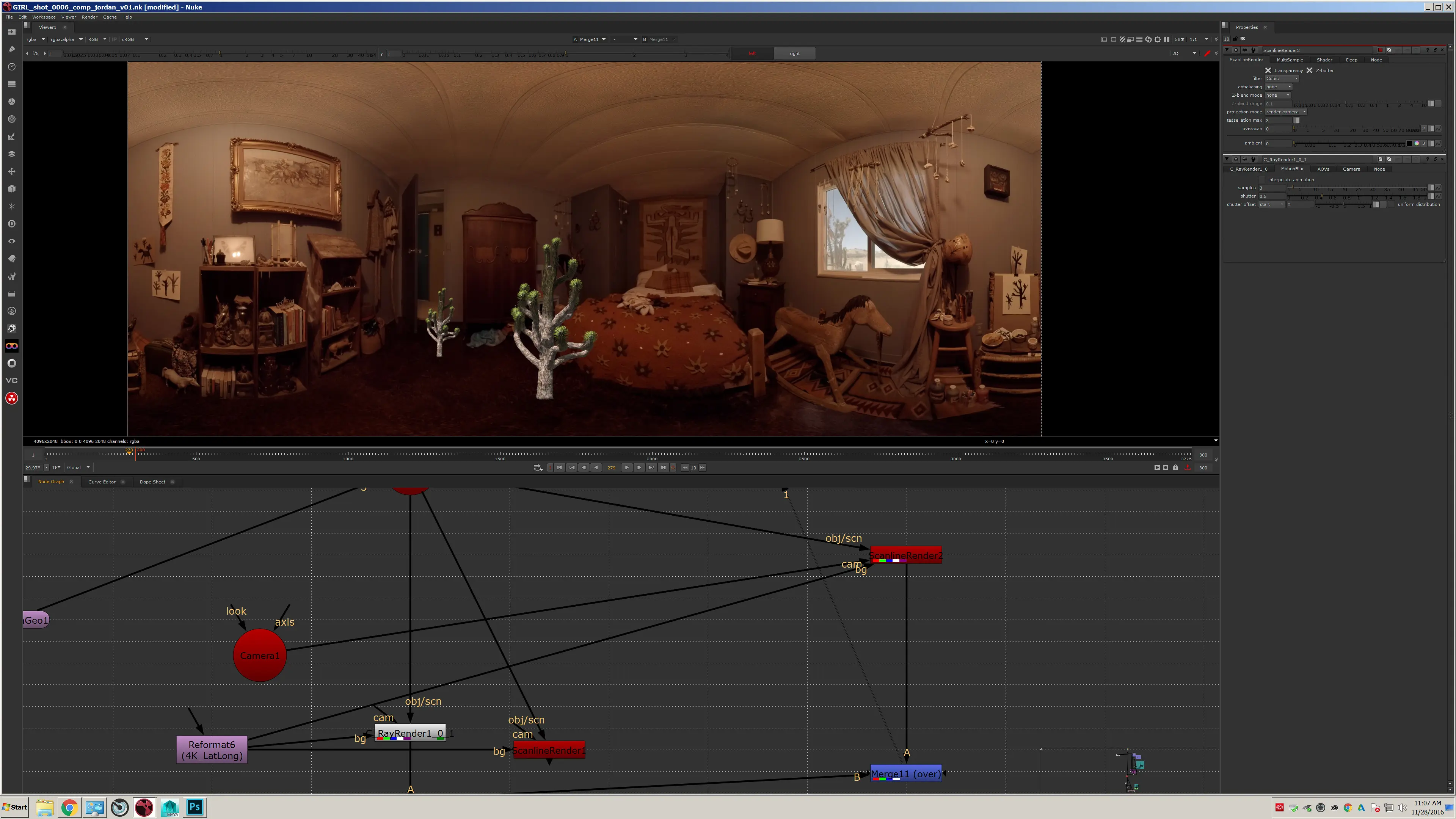
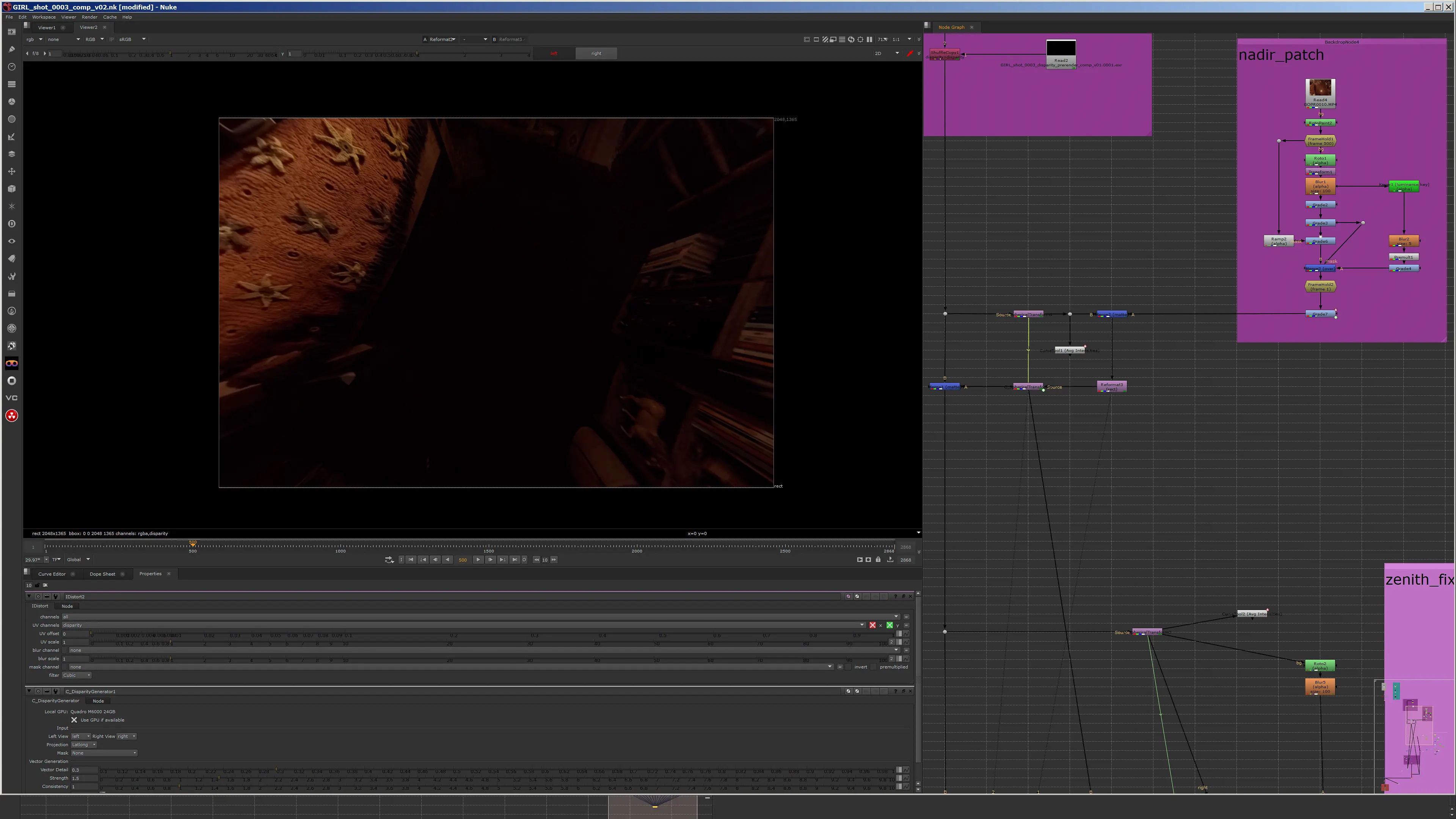
Shot comps were assembled and refined in Nuke, shot by shot through the house.
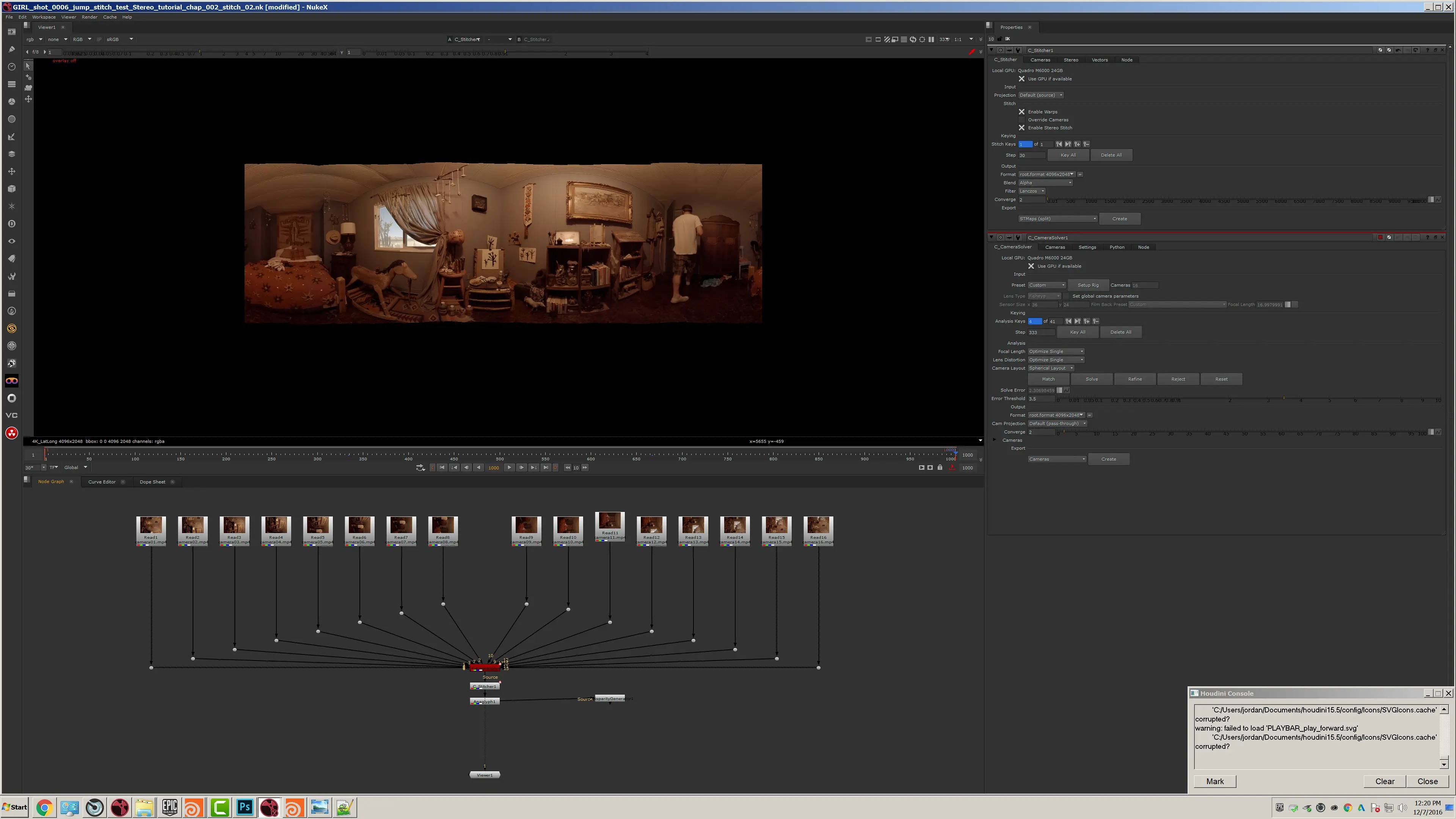
"At first haunting — later, inviting and cheerful."
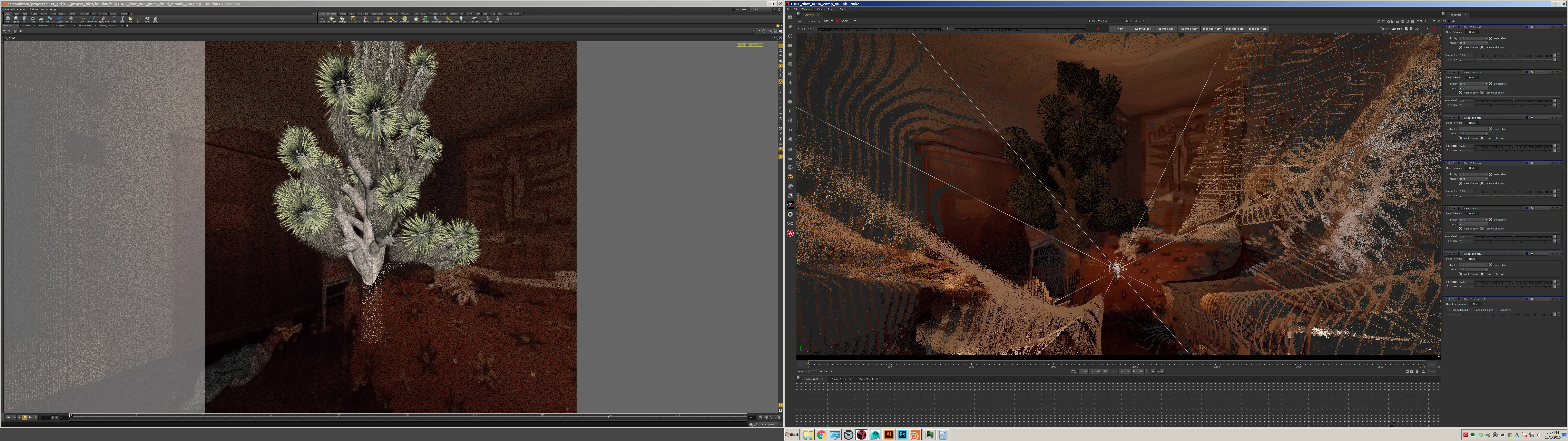
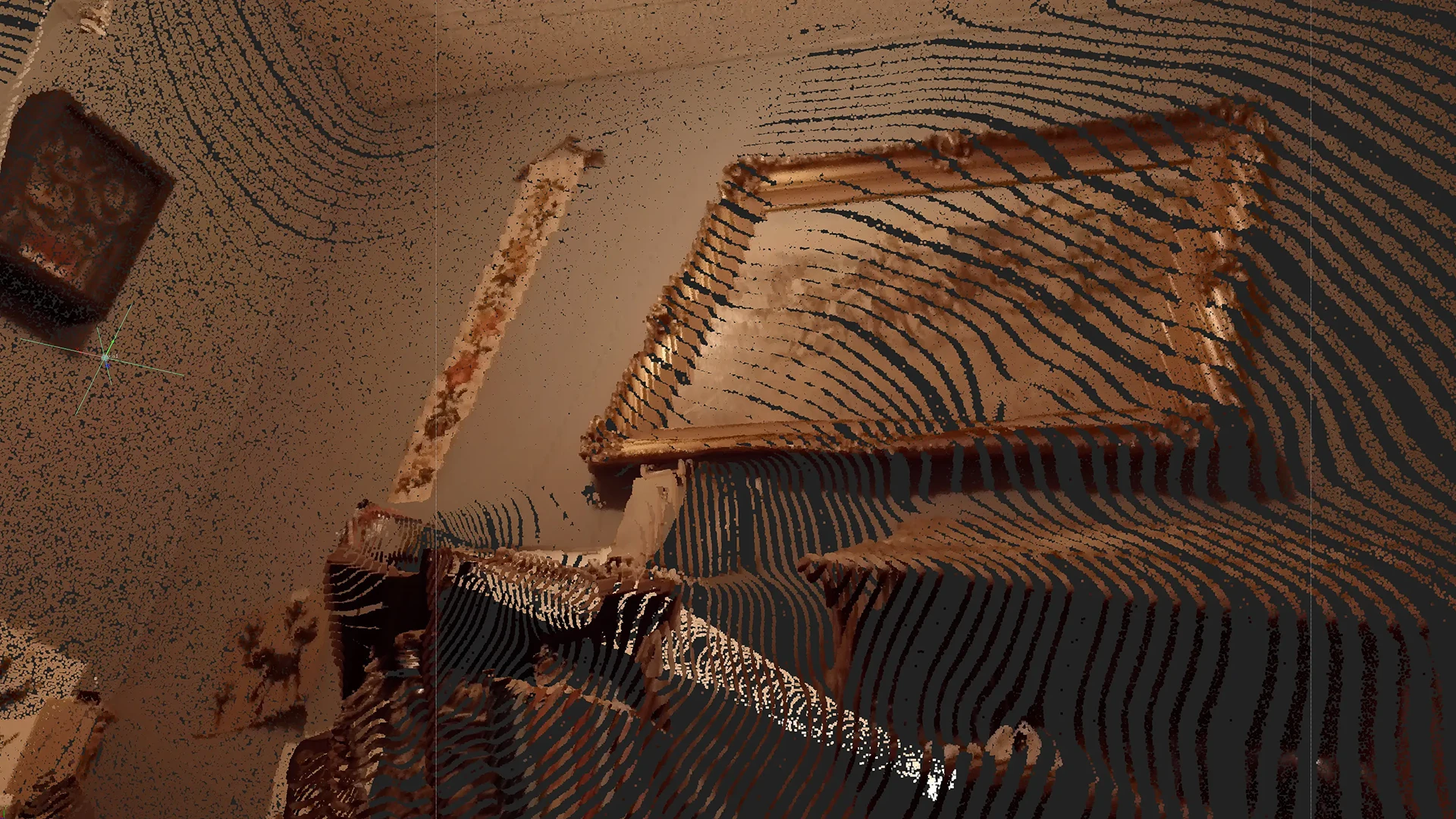
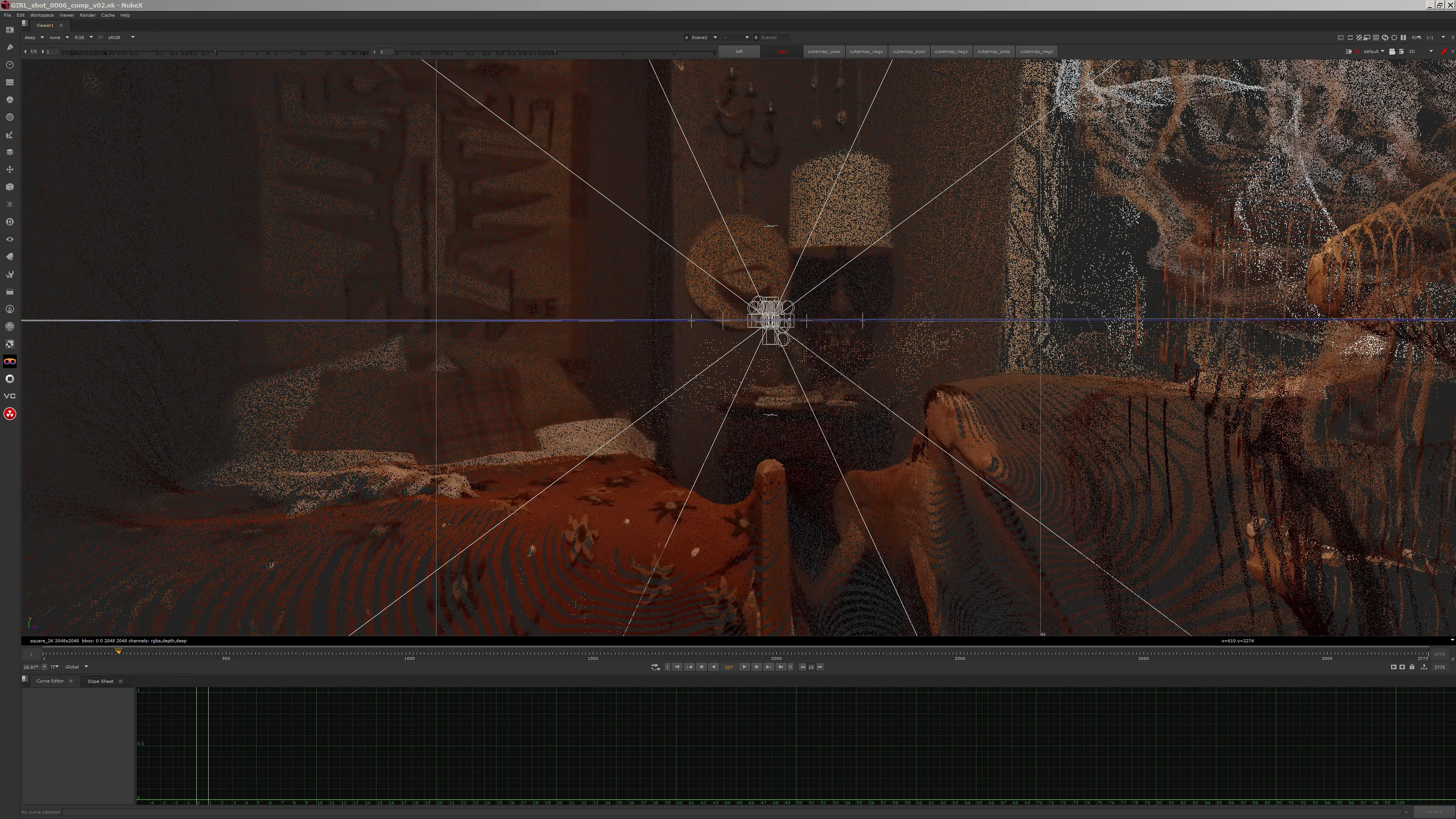
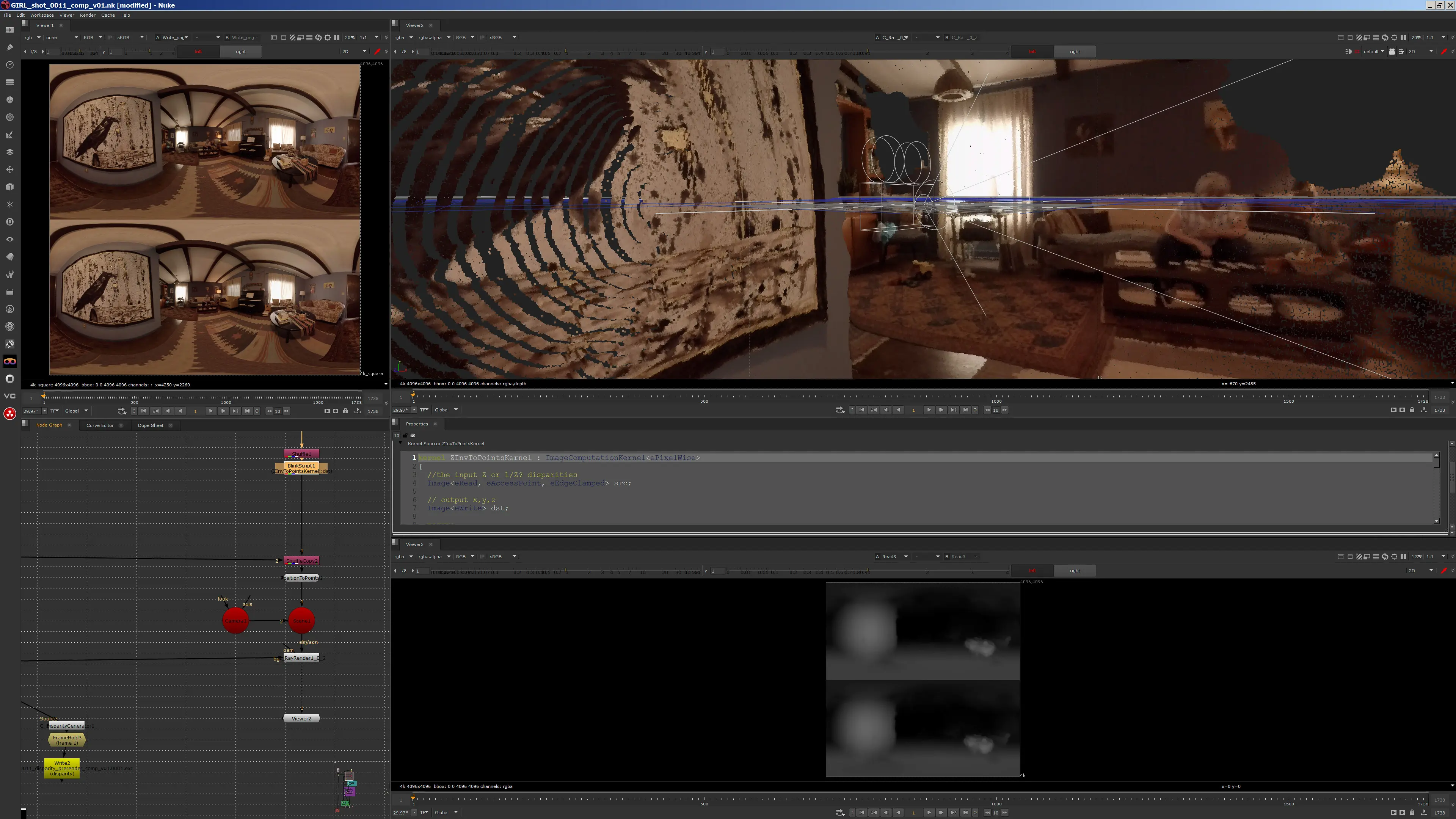
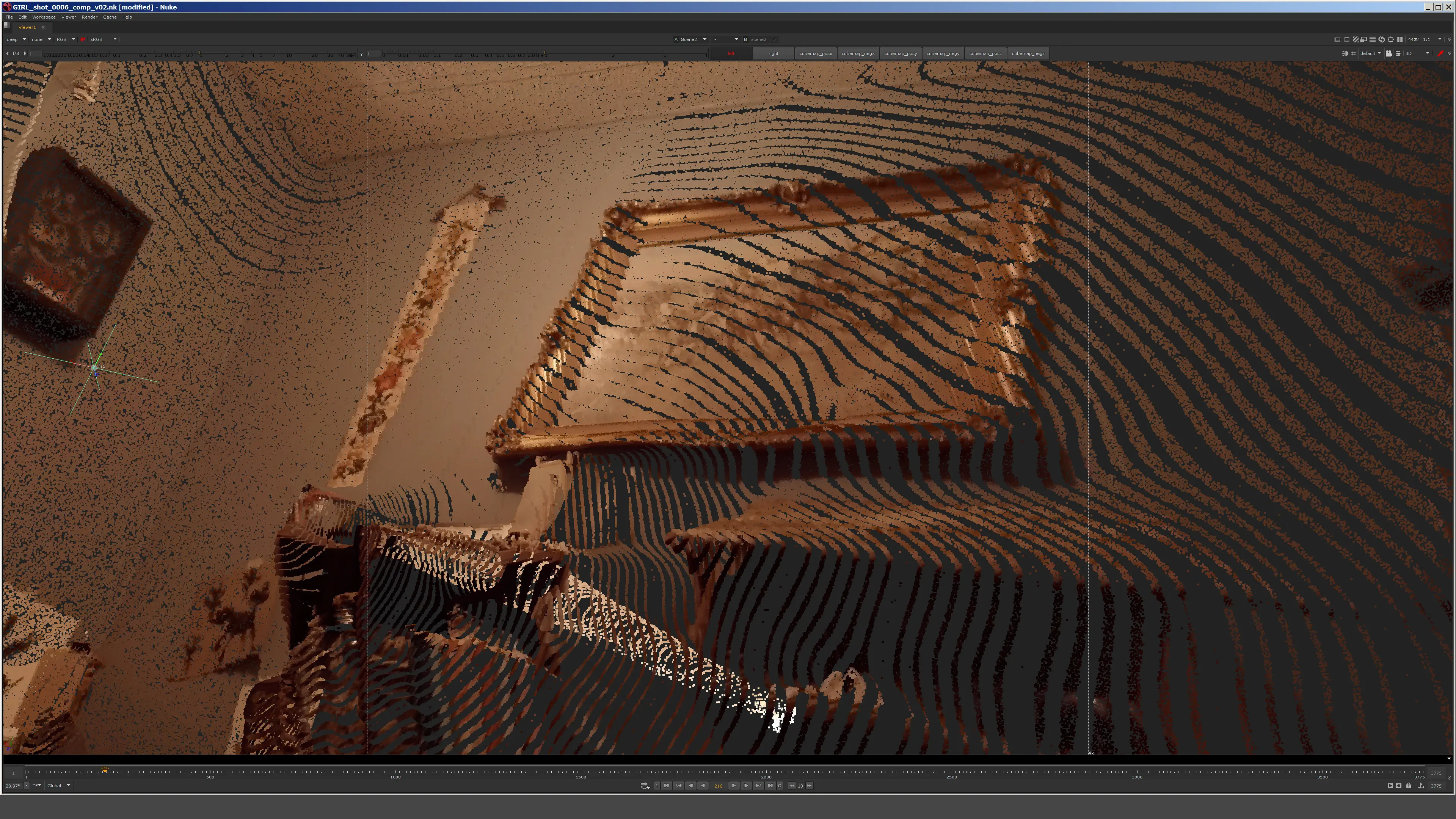
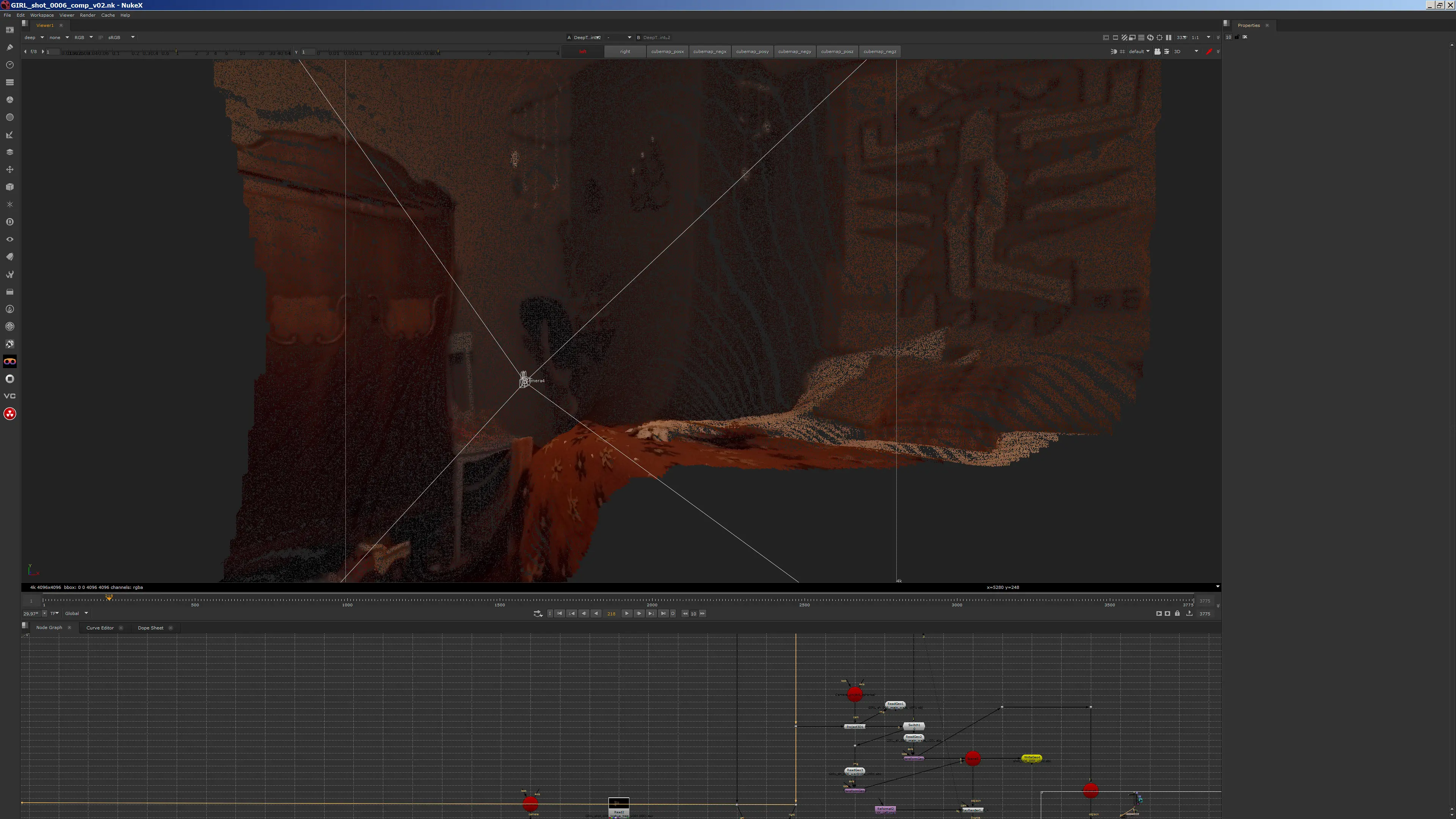
Depth pulled from the stitched footage rebuilds the grandmother's house as a point cloud — the rooms of the story reconstructed in three dimensions inside Nuke.
Framed paintings, quilts, and furniture dissolve into contours of data, then resolve back into the space the audience stands in.
The finished 360° frames carry the desert into the house — the grandmother's rooms composited full-circle, ready to surround the viewer.
Every surface of the panorama had to hold up, because in VR the audience can look anywhere.