Photogrammetry — Getty Villa
Photogrammetry — Getty Villa
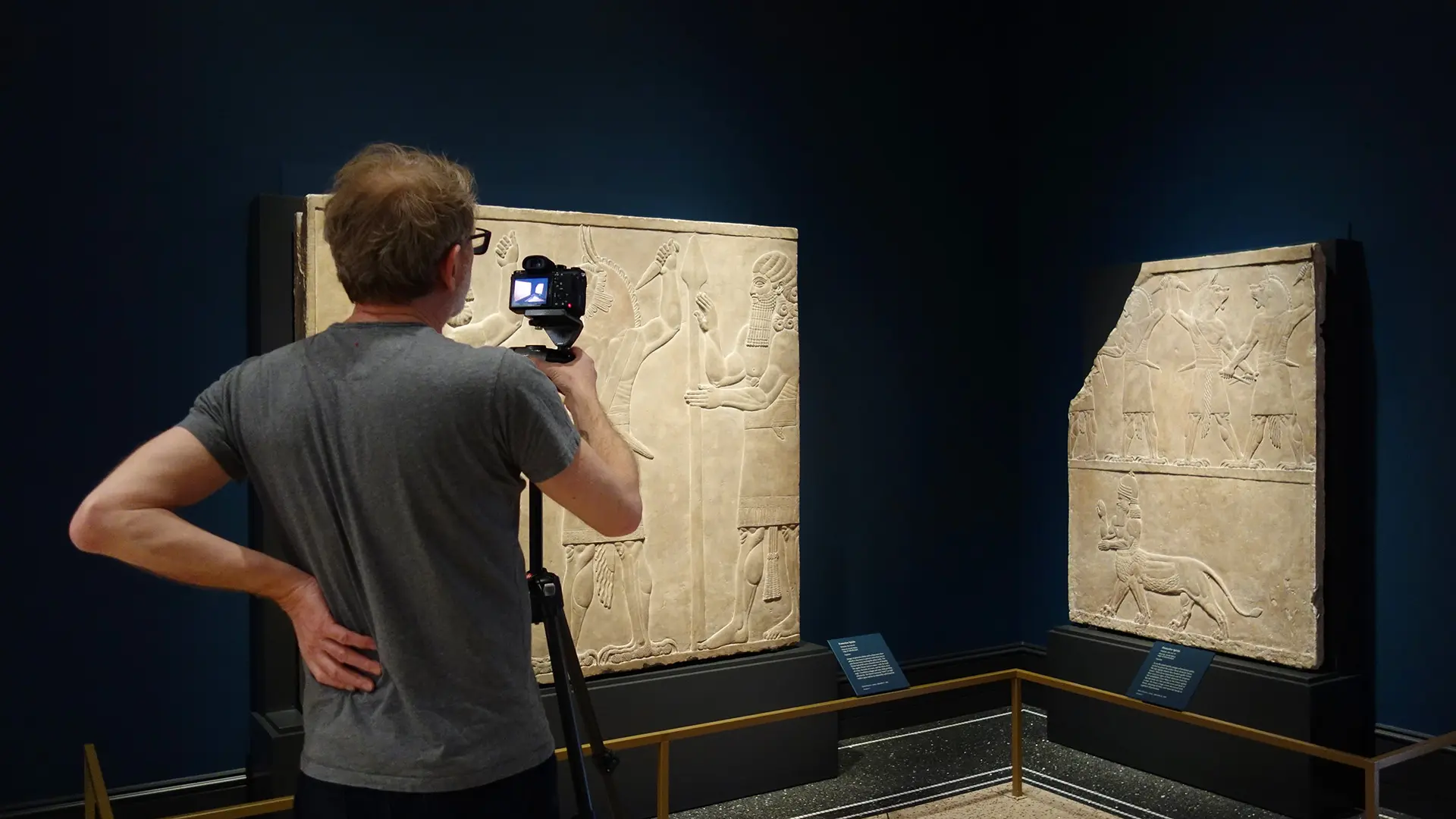
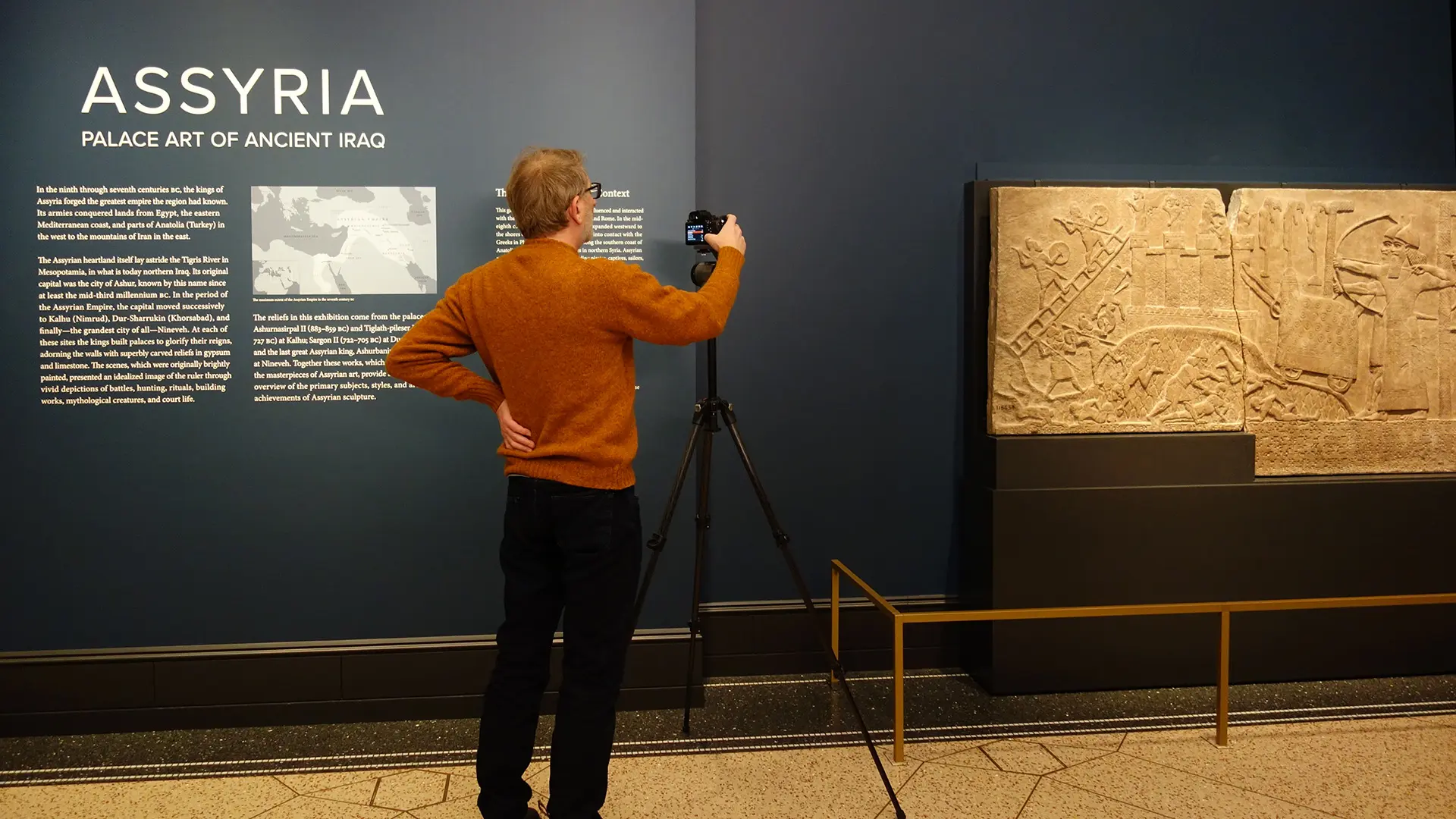
In March 2020, days before the world shut down, Eric Bertoli walked my wife and me through an underground passage into a closed, misty Getty Villa — empty, silent, opened just for us. I'd loved this place since I was a kid. We were there to photograph two ancient Assyrian tablets for photogrammetry.
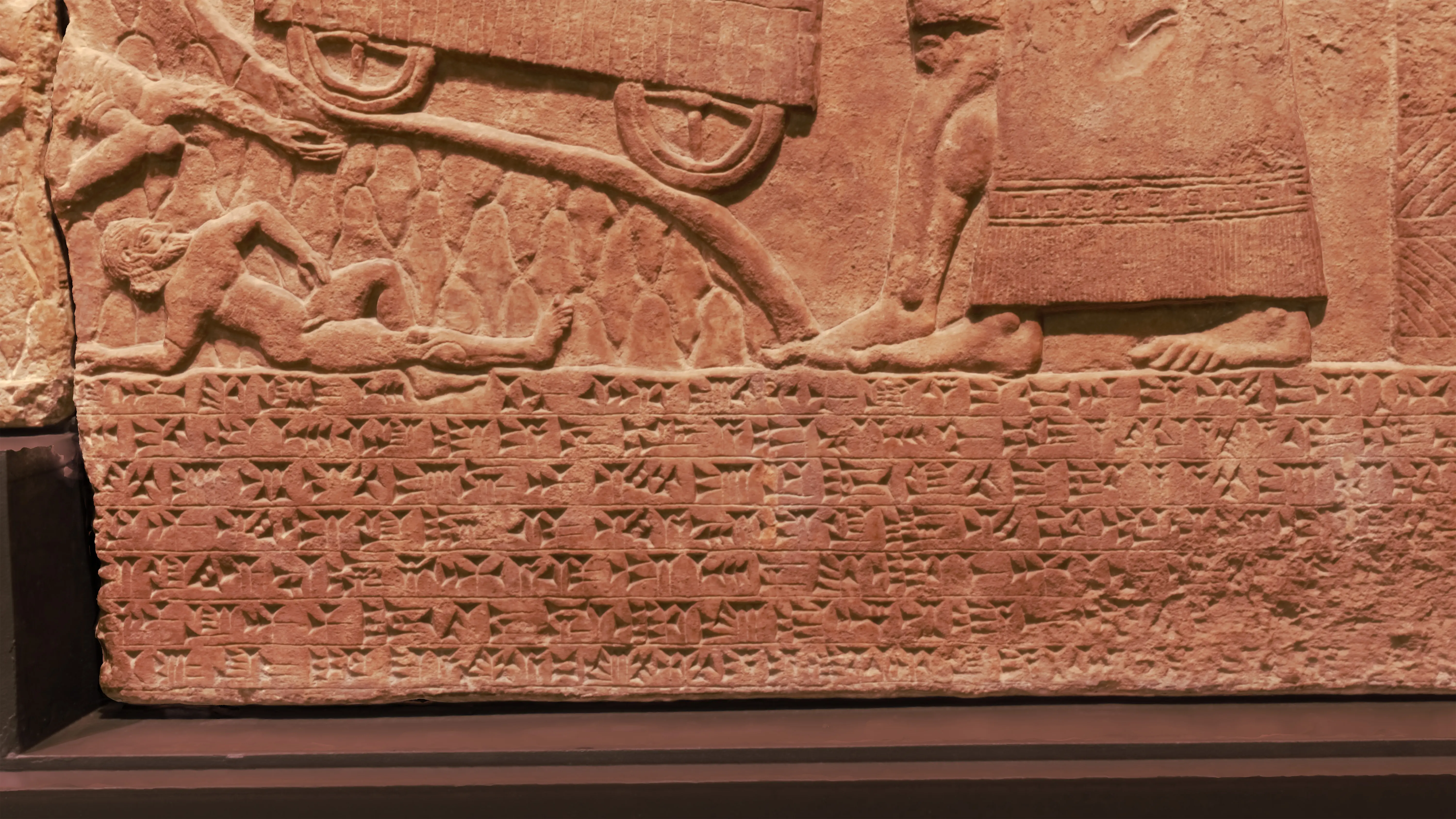
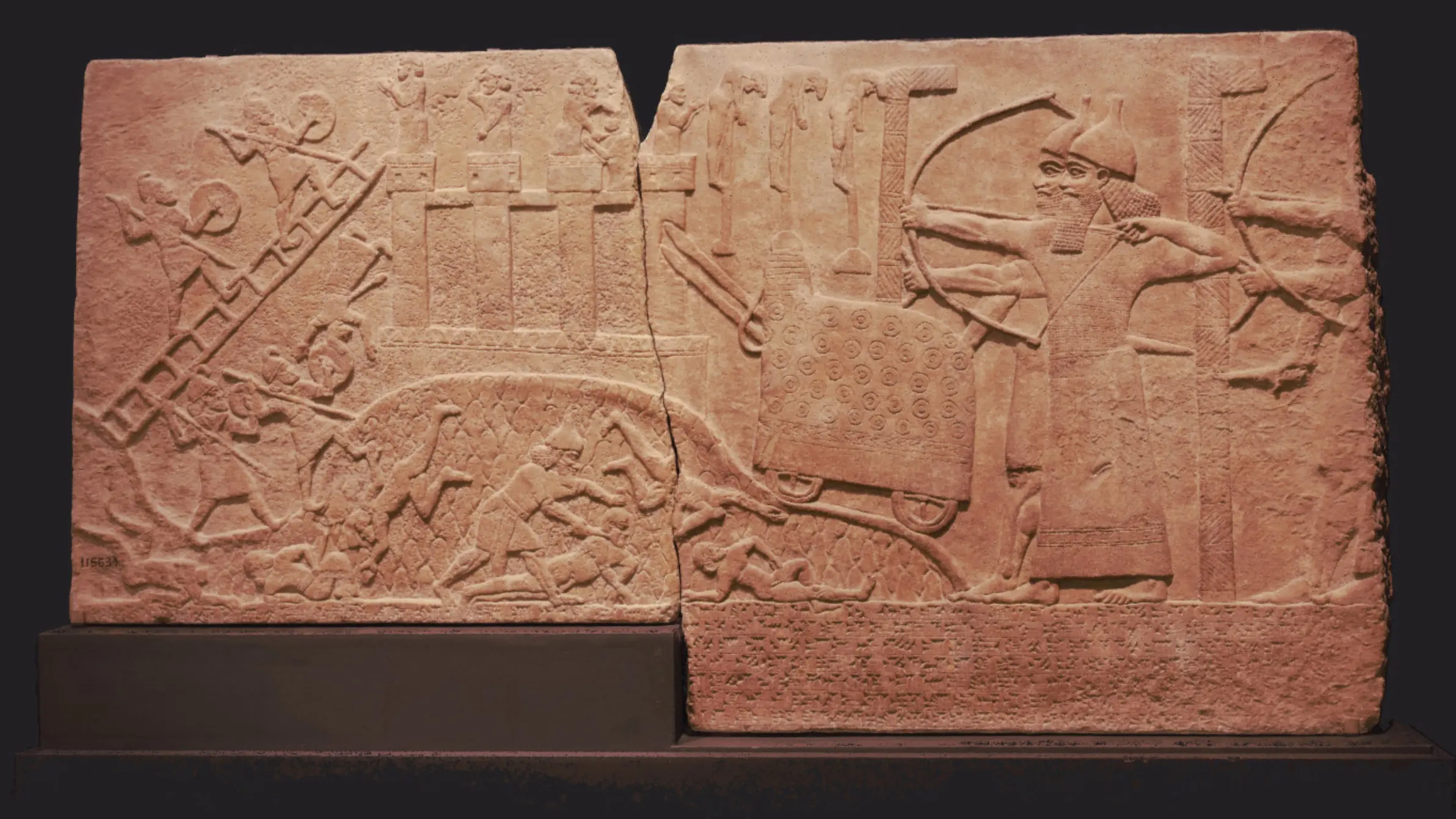
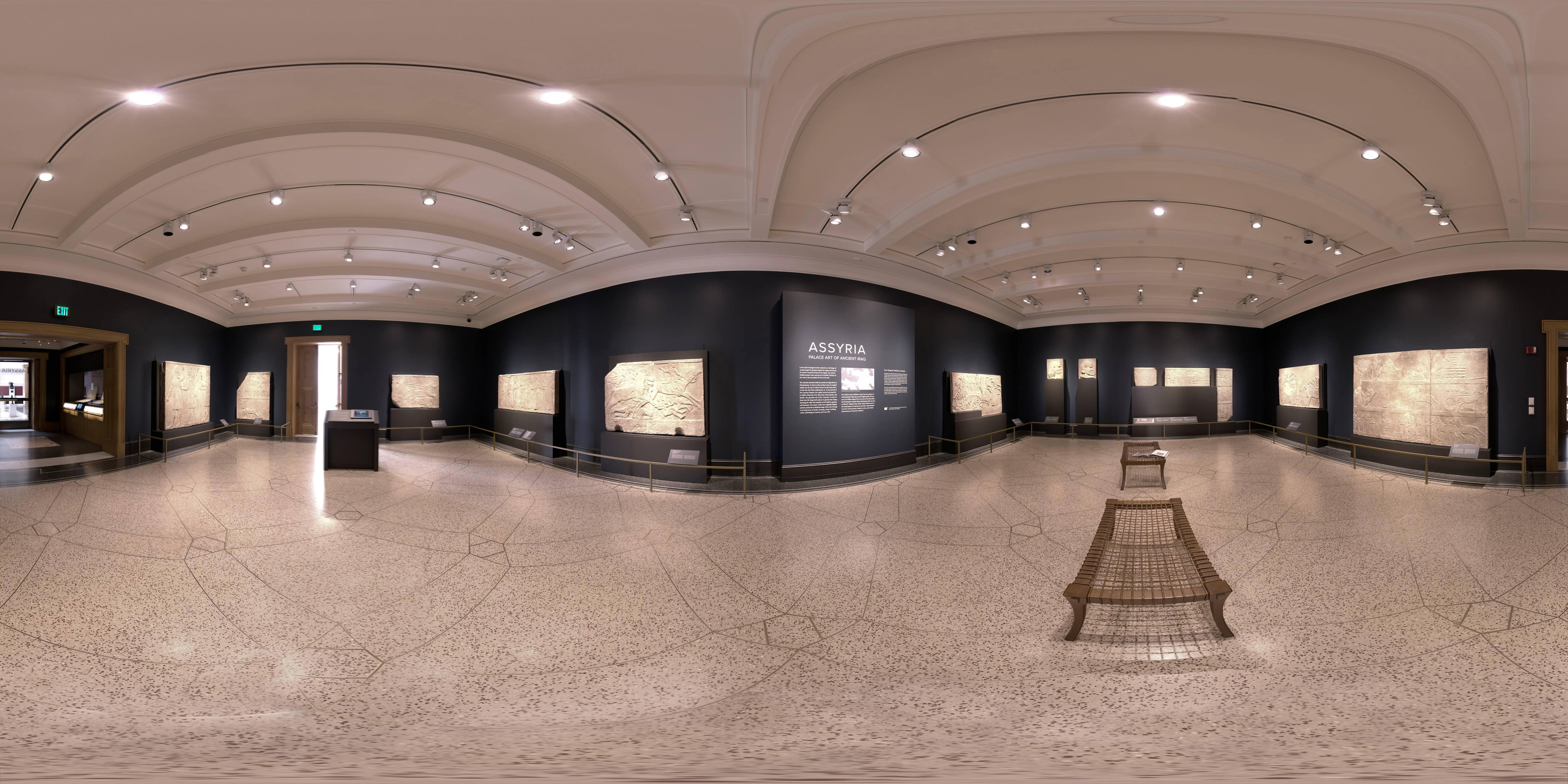
The pieces belonged to the Getty's Assyria: Palace Art of Ancient Iraq — three-thousand-year-old carved stone from the Neo-Assyrian palaces.
Why it matters: a photo is a picture; a scan is the object — measurable, re-lightable, and preserved as geometry long after the exhibition comes down.
What came out of it
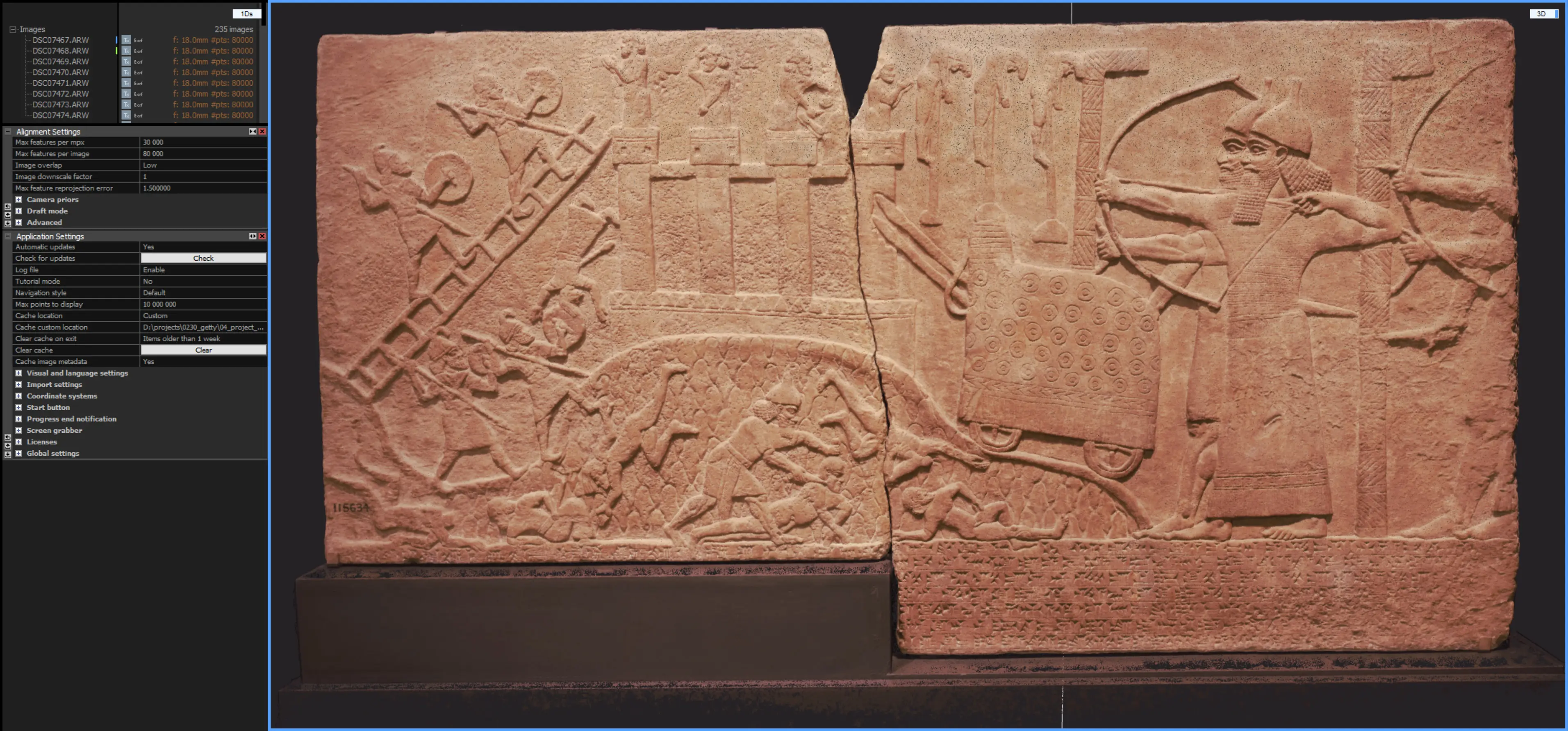
Each tablet was photographed on-site — hundreds of overlapping frames, handheld and on tripod, working around glass, railings, and museum lighting.
No ladders and no extra lights — so the tops of the tablets ran a little short on coverage, and every frame was a long exposure pulled from the room's own light.
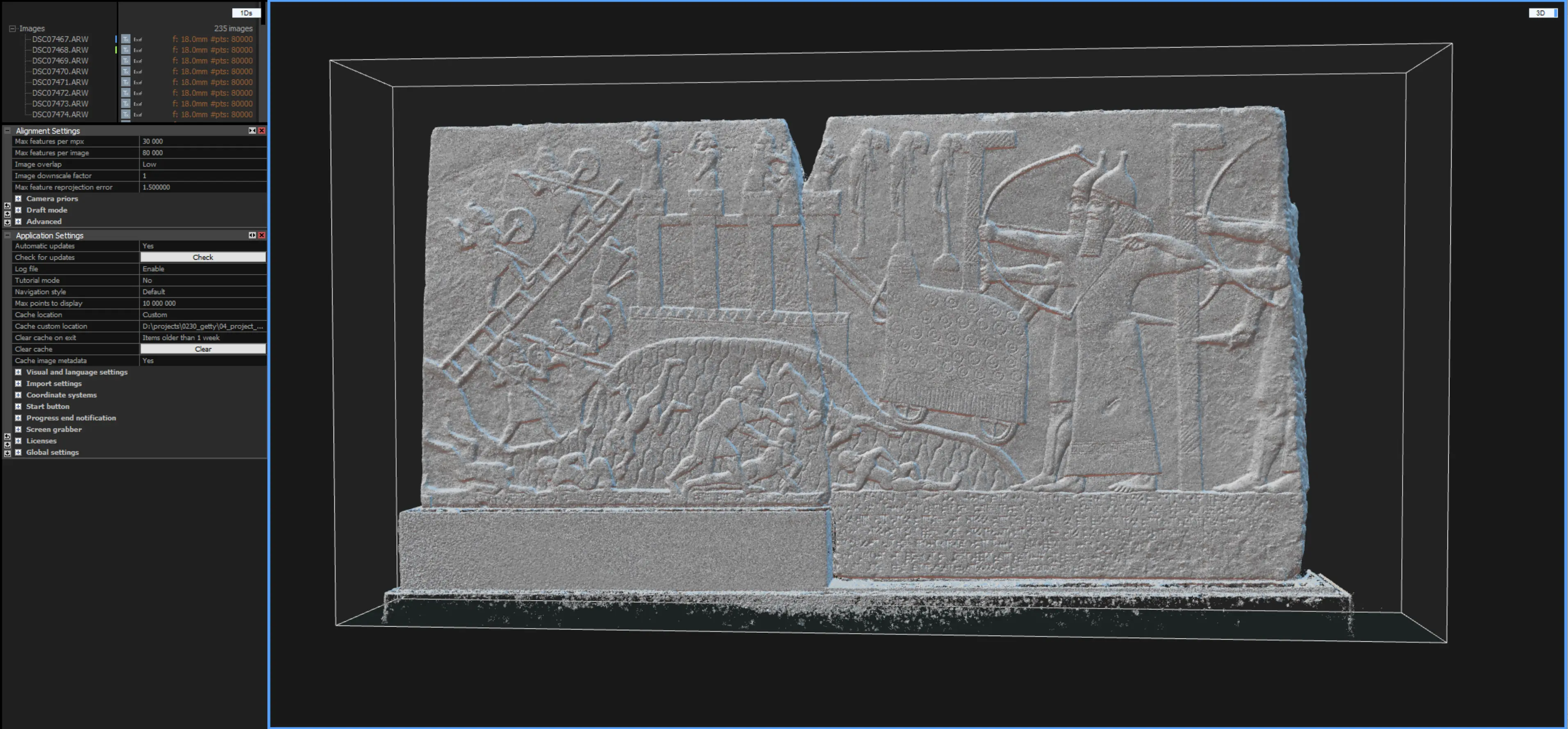
The frames were aligned in RealityCapture — 235 images per tablet resolving into a dense point cloud, then a high-poly mesh.
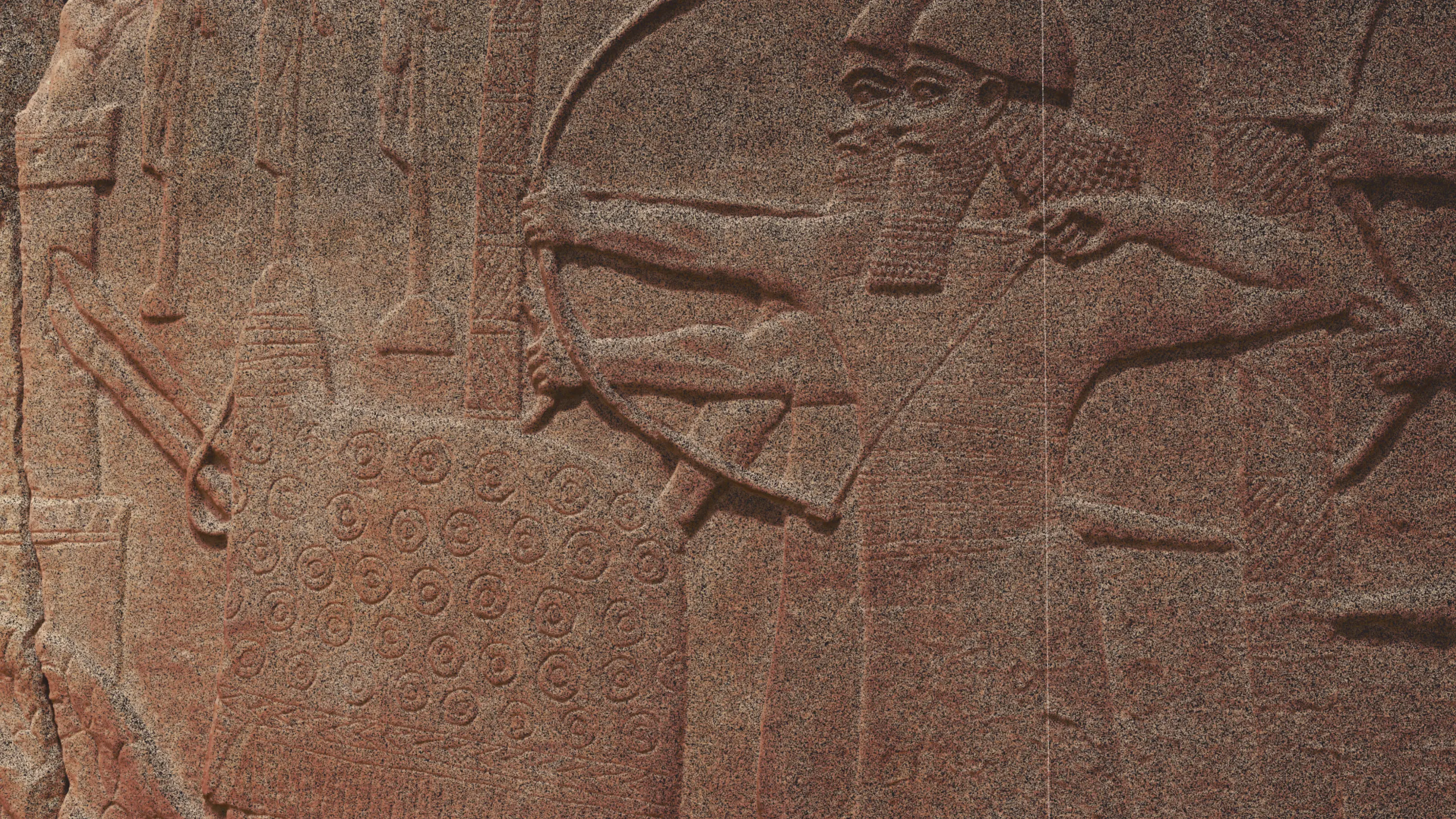
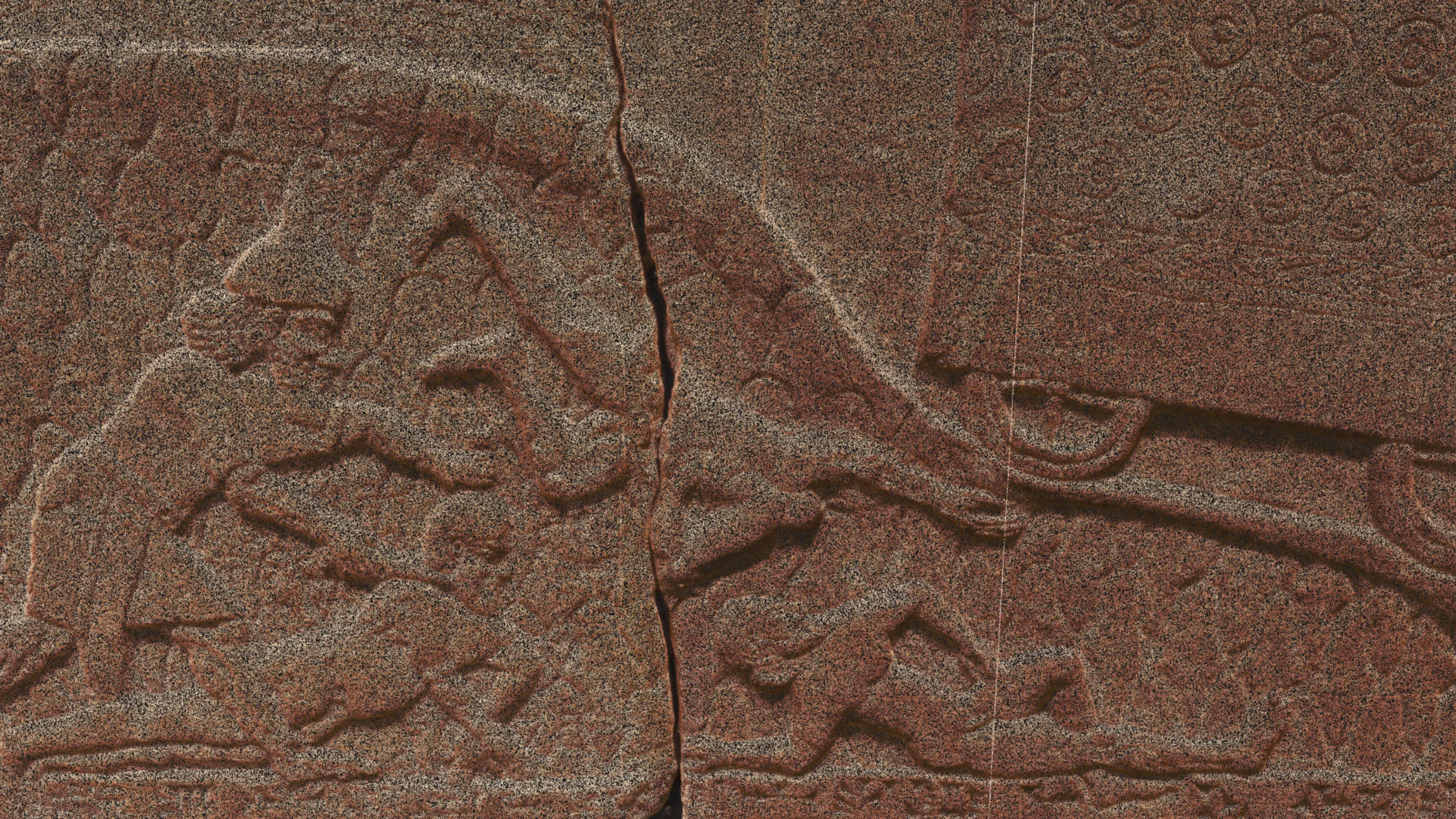
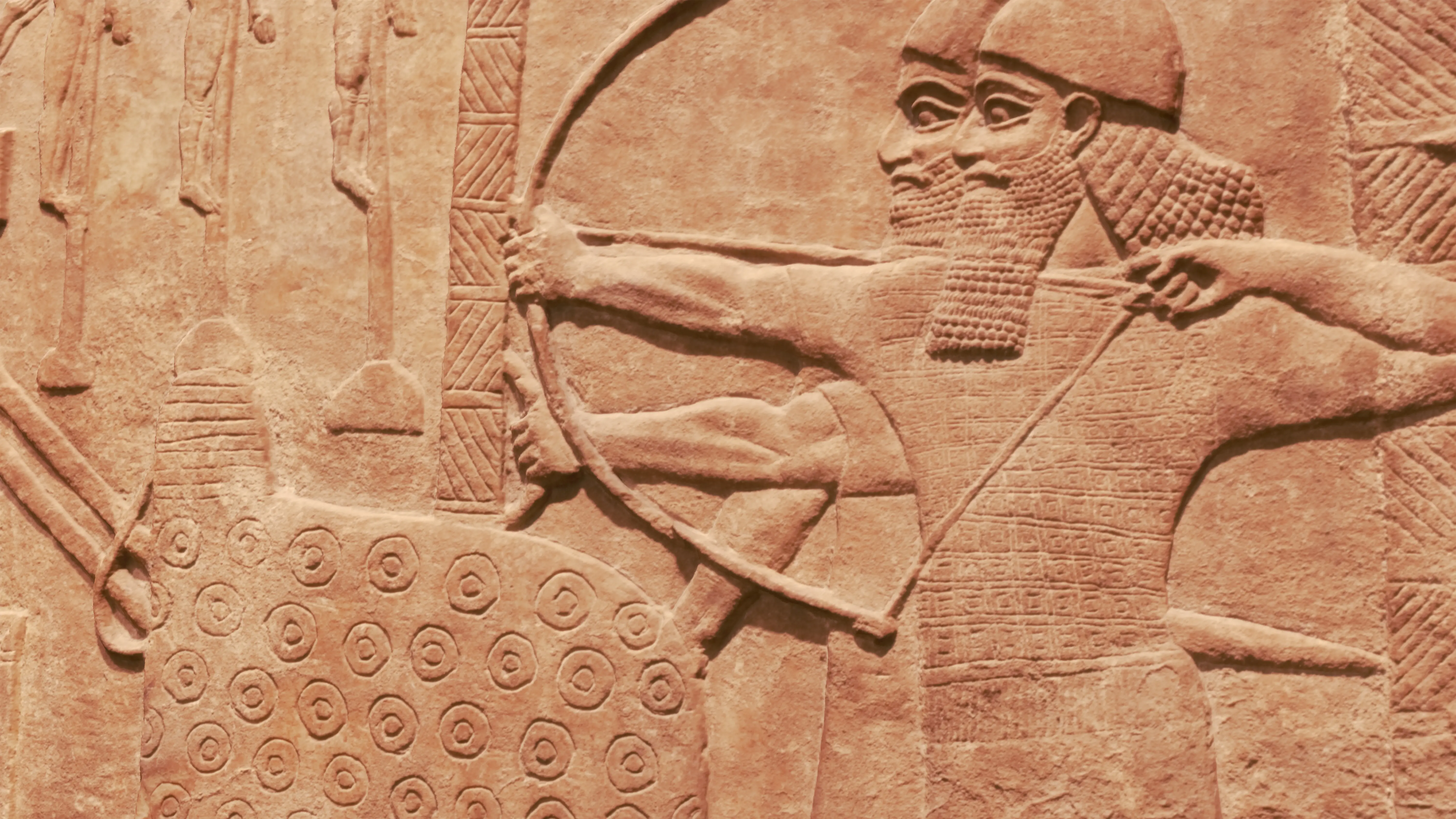
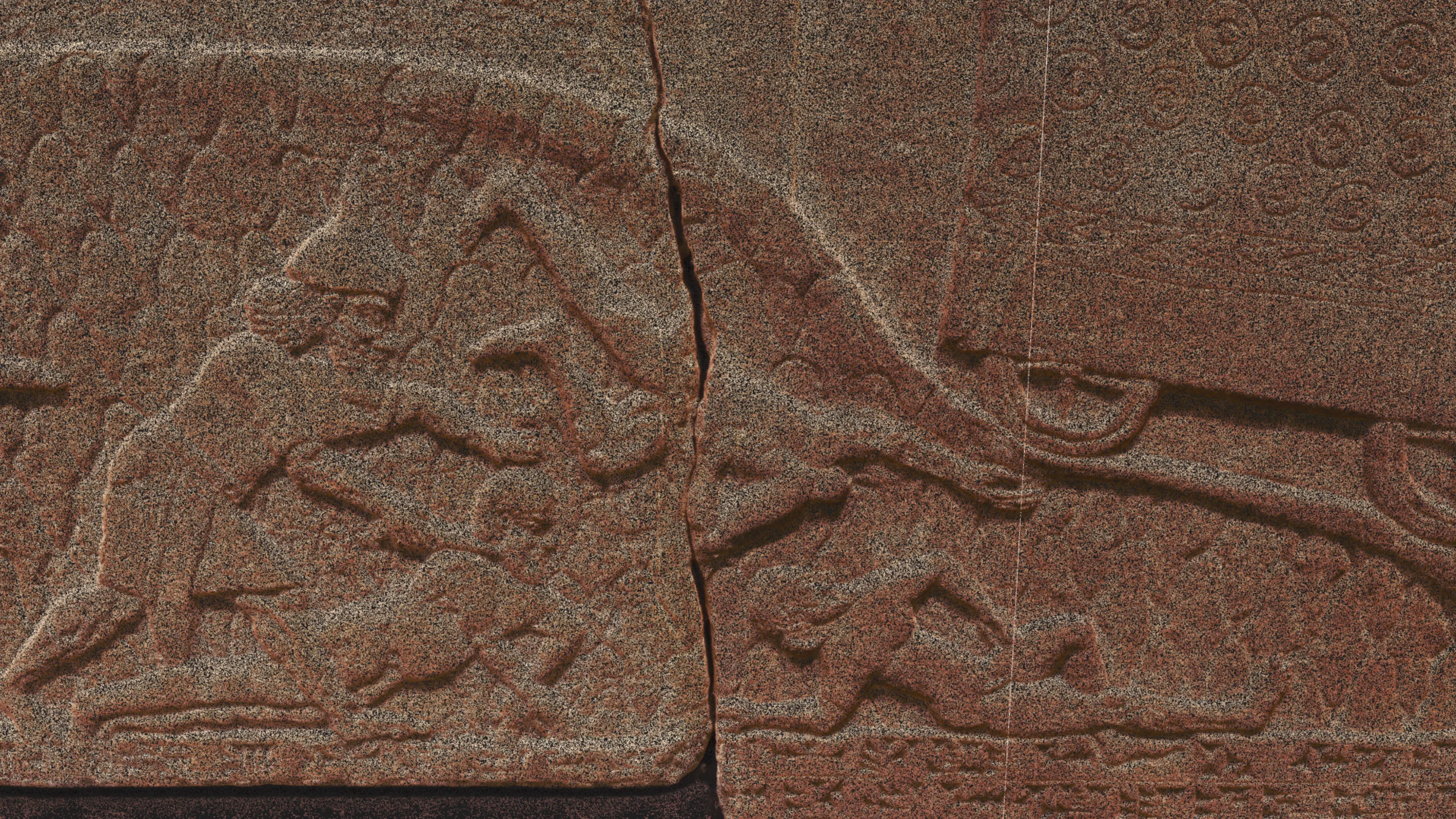
Every chisel mark and cuneiform stroke reconstructed from parallax alone.
"A photo is a picture — a scan is the object —"
The final meshes render clean and re-lightable — the carving freed from the gallery's fixed lighting, readable from any angle.
A digital record that outlasts the show.