Projection Mapping — V-Squared Labs
Projection Mapping — V-Squared Labs
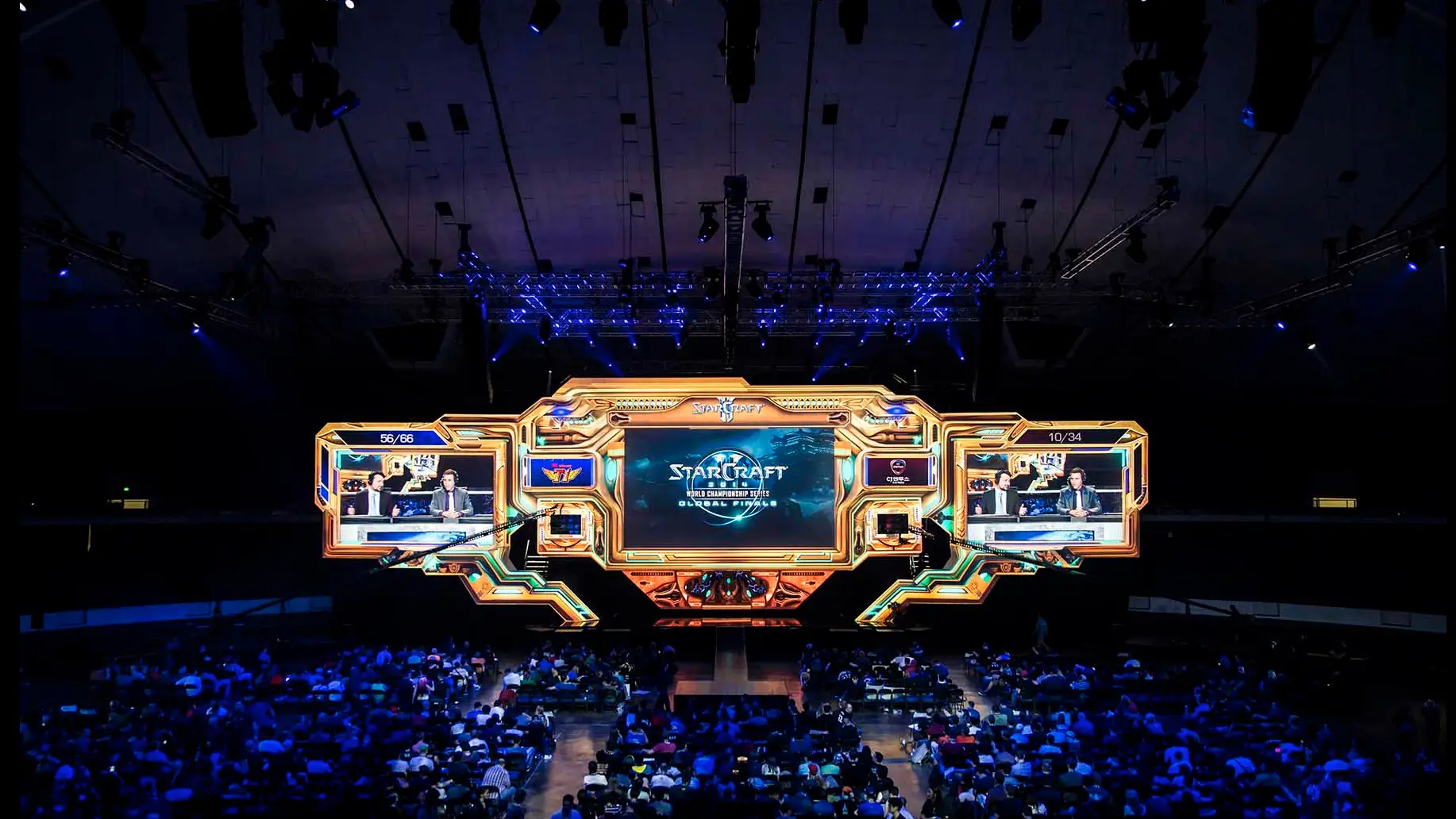
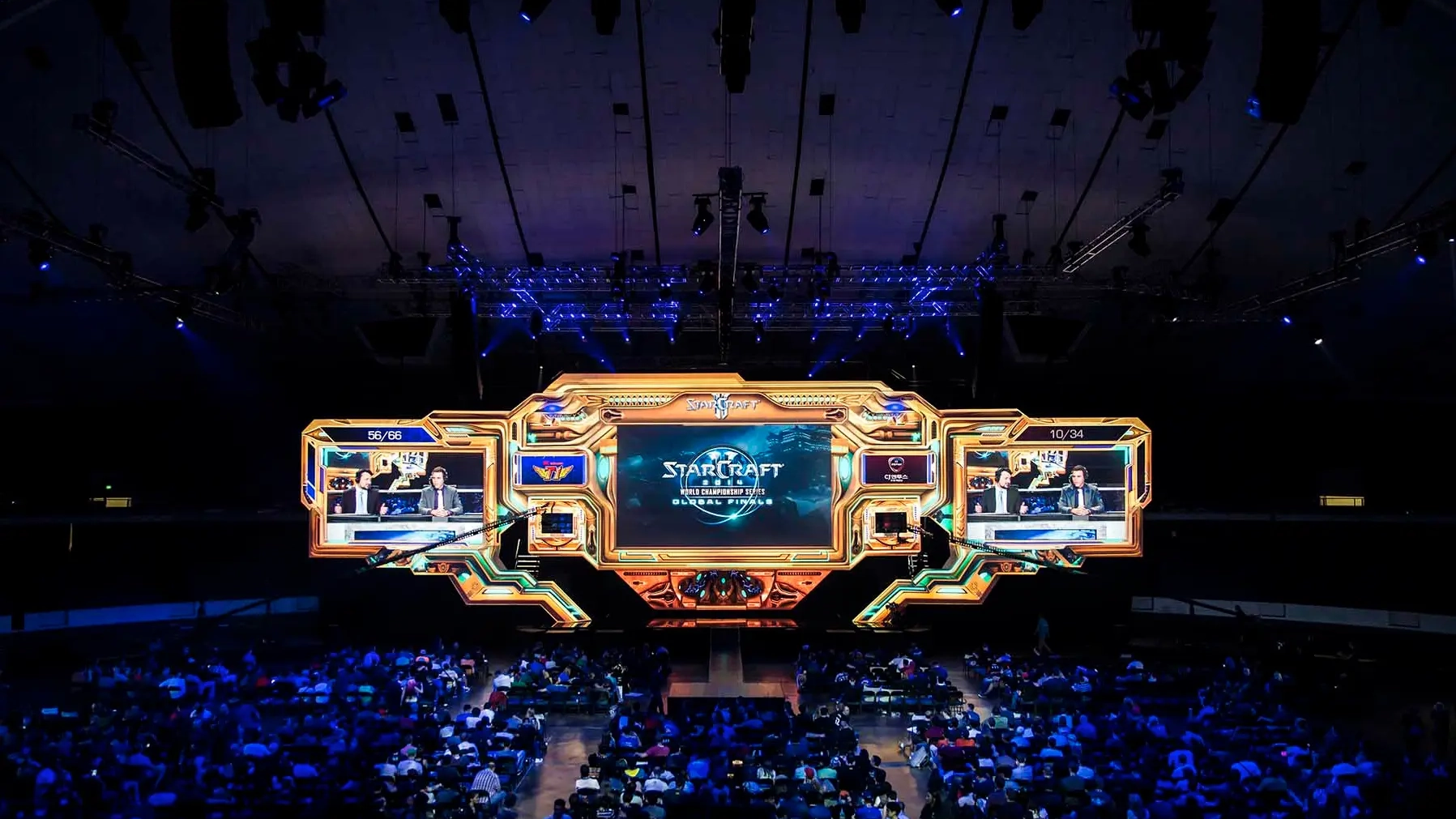
In 2014, V Squared Labs brought me in to design and animate the "Protoss" look for the StarCraft II stage at BlizzCon — the largest projection-mapped stage I'd worked on at the time, 130 feet wide by 40 feet tall. The stage filled the Anaheim Convention Center Arena and was driven by twenty-four 26K projectors, making it one of the largest projection-mapped stages in eSports history and the highest pixel count of its kind.
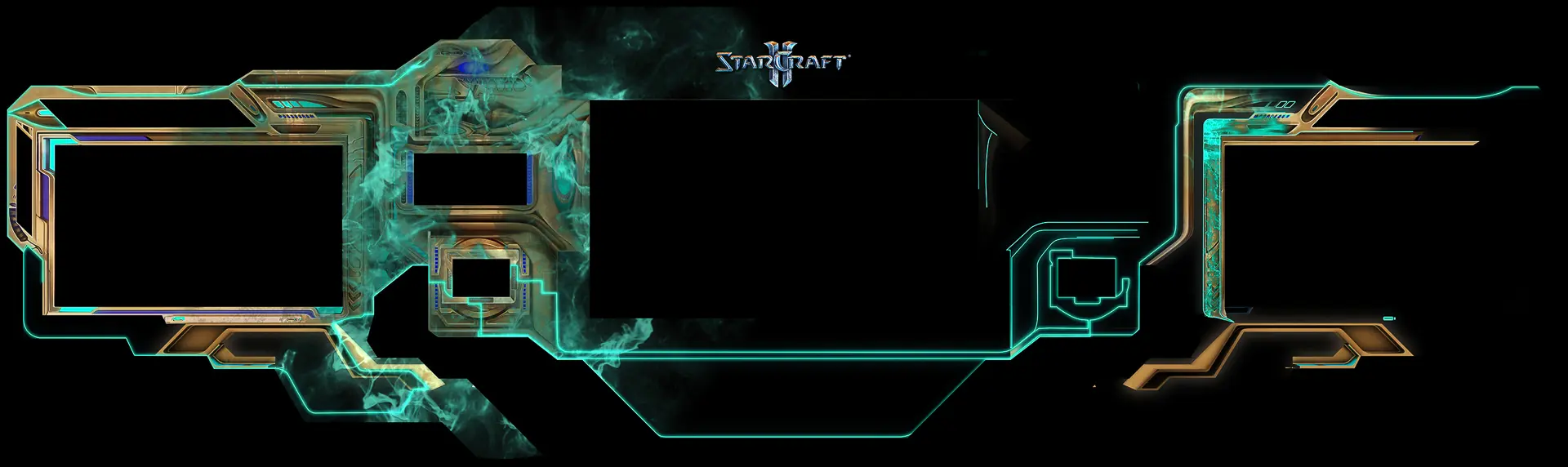
Blizzard sent over piles of game assets, but they were built for a game, not a 130-foot stage — so the high-resolution design and modeling started from scratch. The real challenge was marrying the organic, alien "Protoss" aesthetic to the stage's rigid geometry. Every look ran as three synced loops — intro, play, and victory (the outro was just the intro in reverse) — and had to alternate cleanly between the left and right player.
Why it matters: at eSports scale the stage is the broadcast. Millions watch the finals, and the visuals have to hold up at 130 feet and on camera at the same time.
The build included
The game assets Blizzard sent were built for a screen, not a 130-foot stage — so the high-resolution design and modeling started from scratch, marrying the organic, alien Protoss aesthetic to the stage's rigid geometry.
Full-frame content ran across the entire 130′ × 40′ canvas.
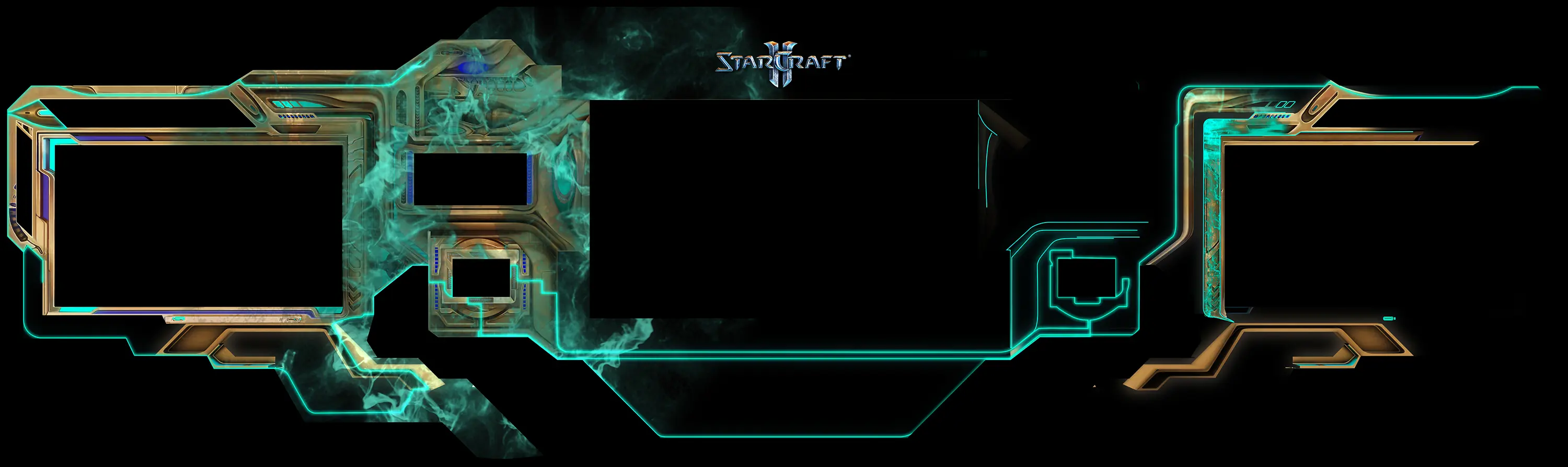
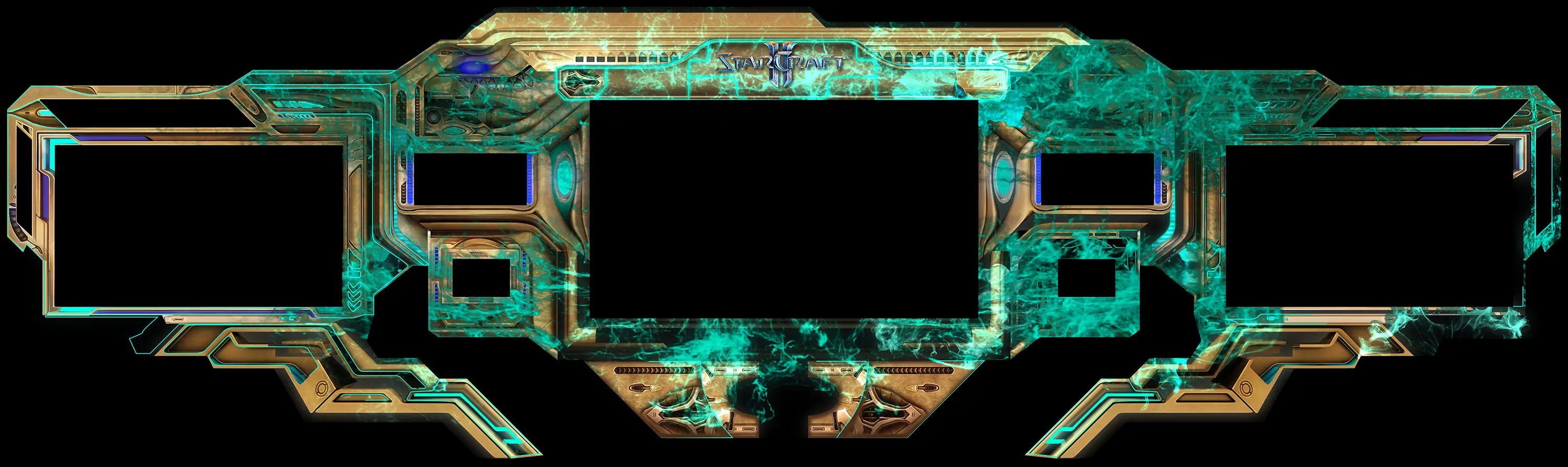
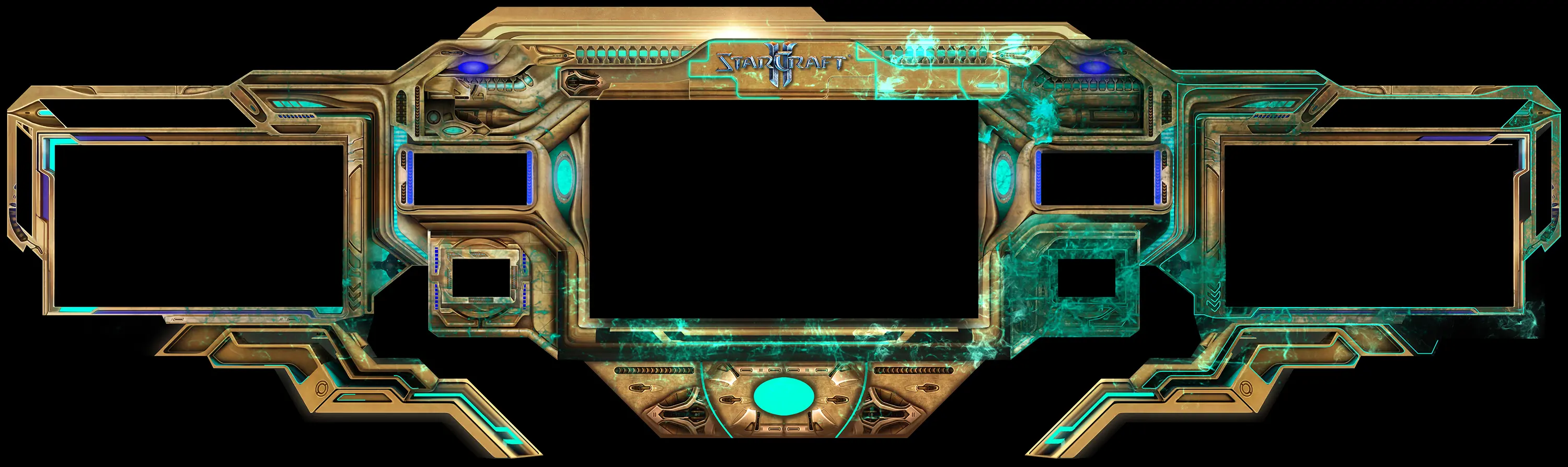

Every look ran as three synced loops — intro, play, and victory — with the outro simply the intro in reverse.
The mapped frames around the players and casters had to alternate cleanly between the left and right player, holding the Protoss look around live broadcast screens.
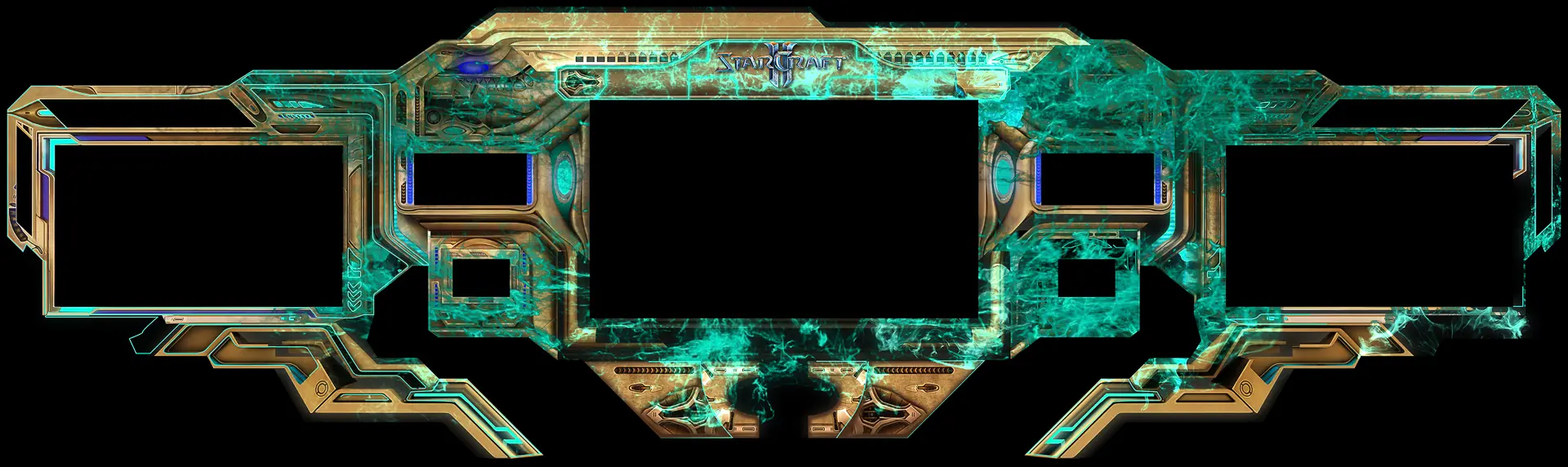
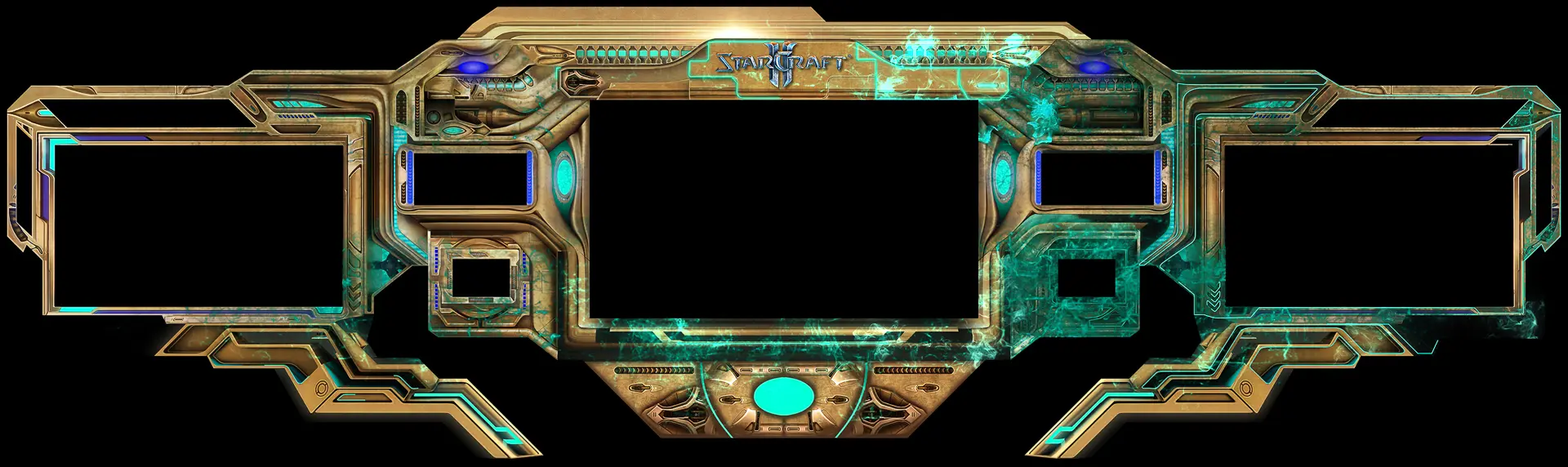
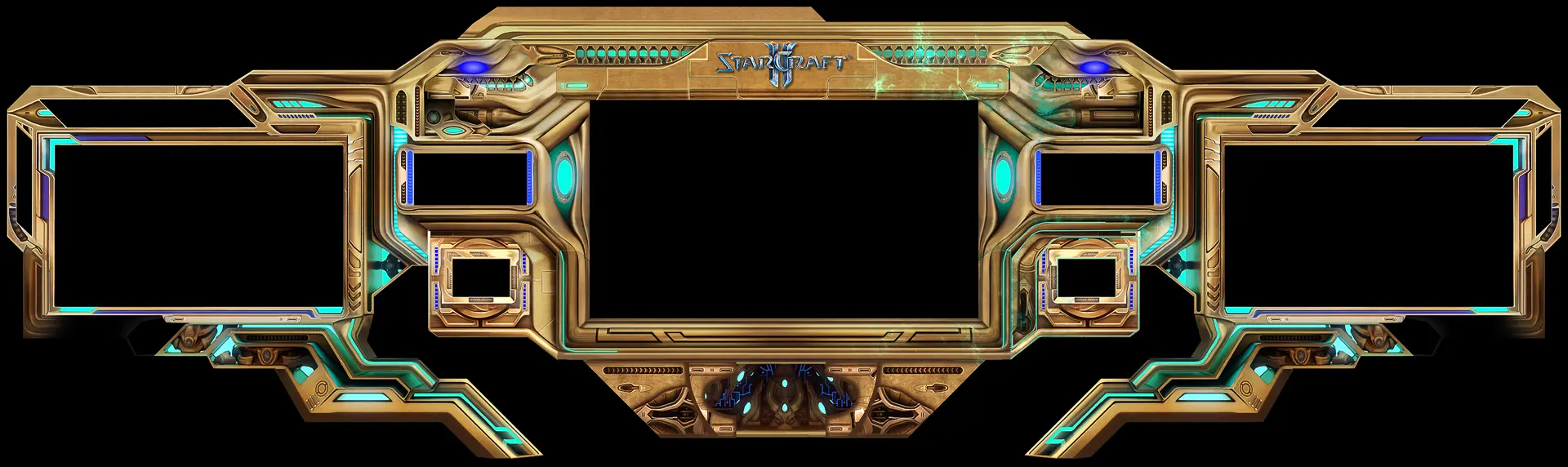
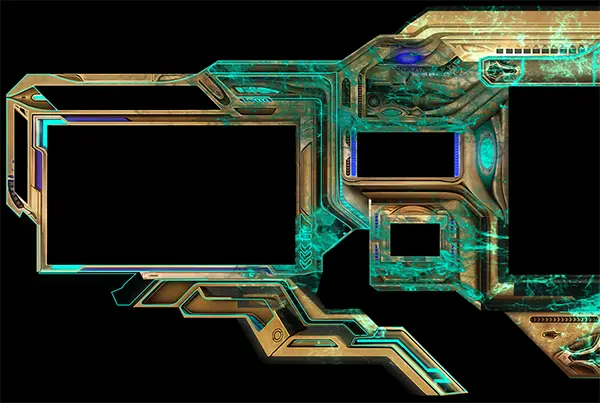


"One of the largest projection-mapped stages in eSports history — and the highest pixel count of its kind."
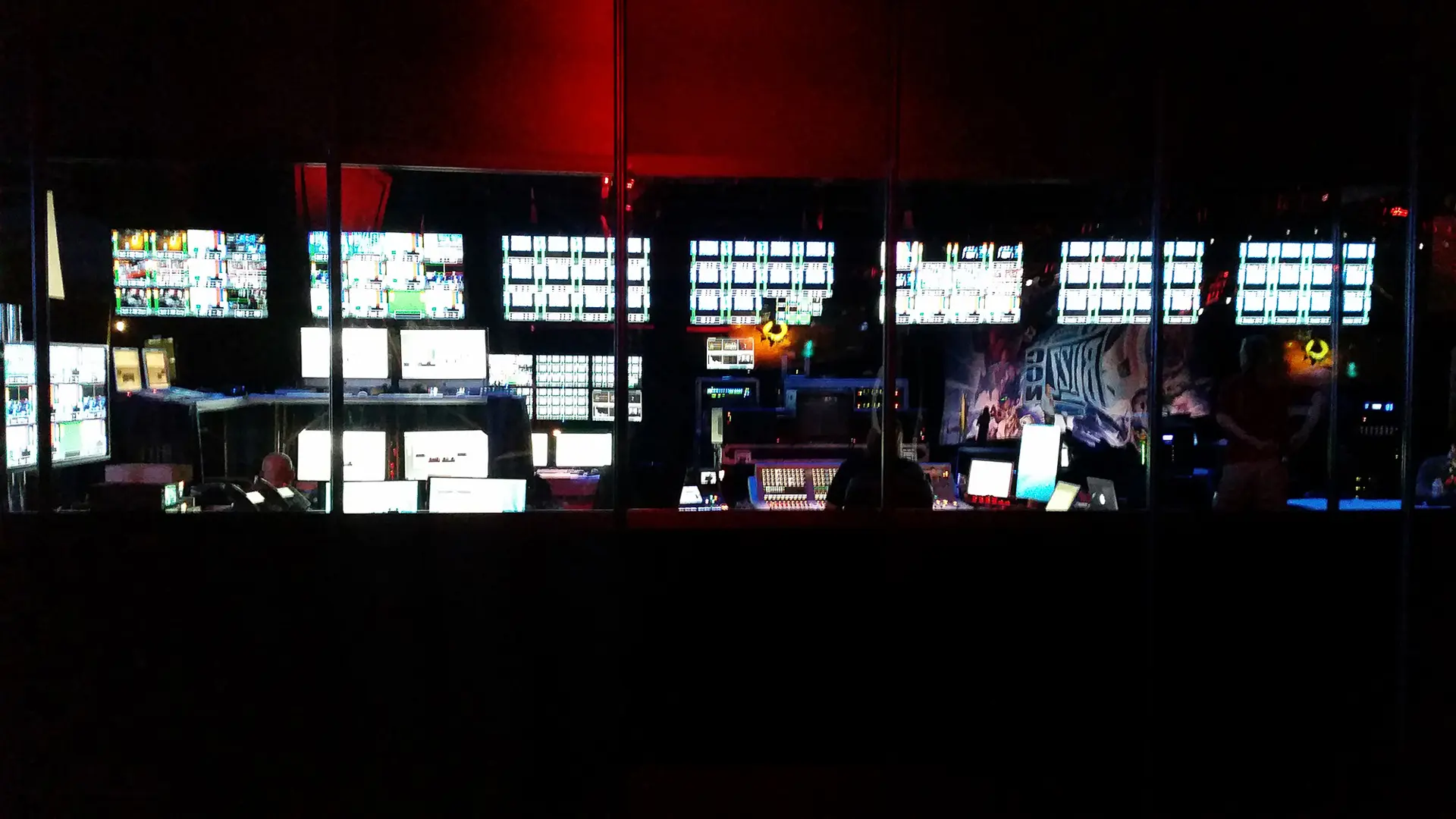
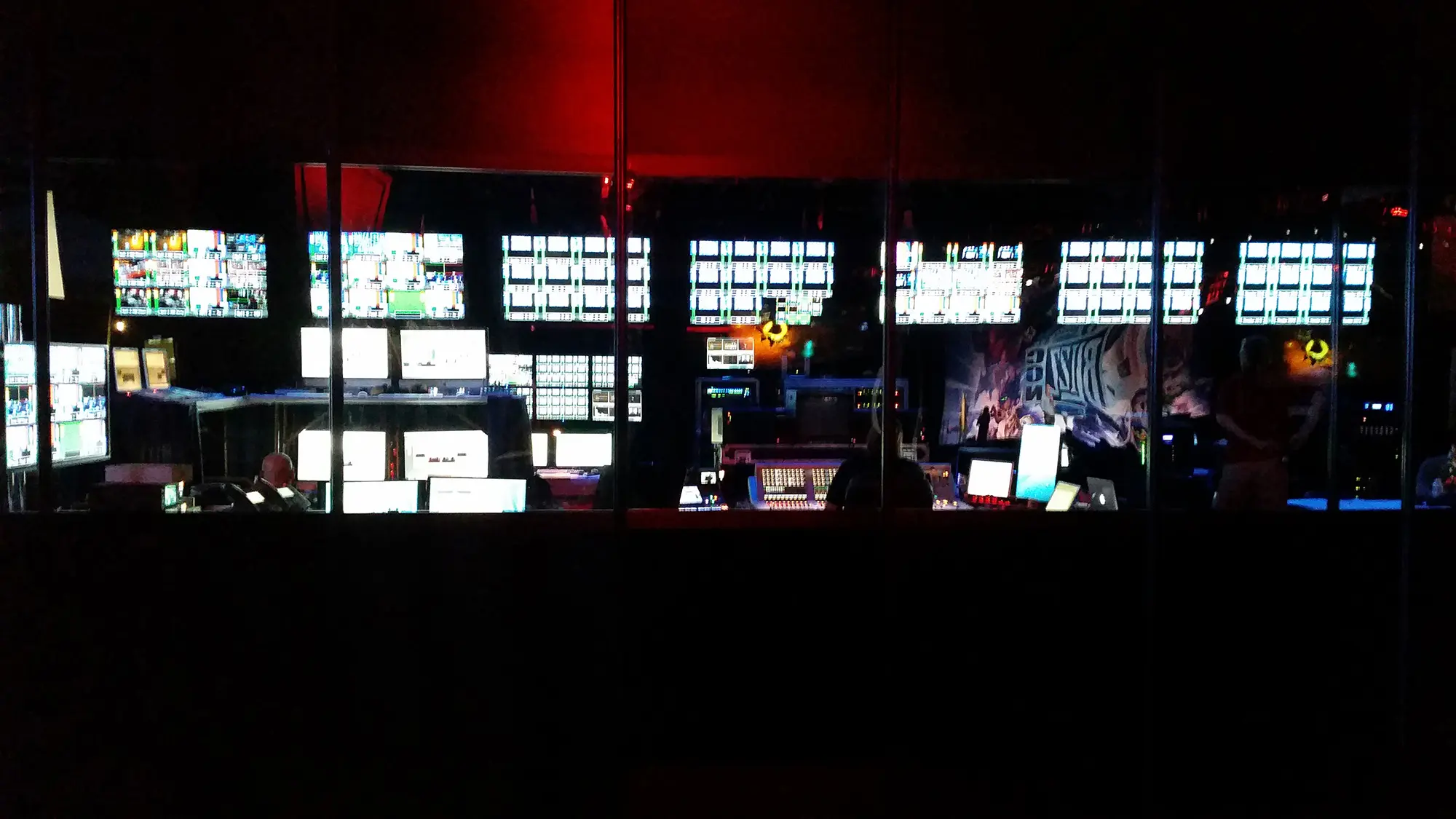
Mapping a 130′ × 40′ stage means lining up twenty-four 26K projectors across every surface of the set before the content ever plays.
Test grids and alignment passes on the arena floor, ahead of the show.
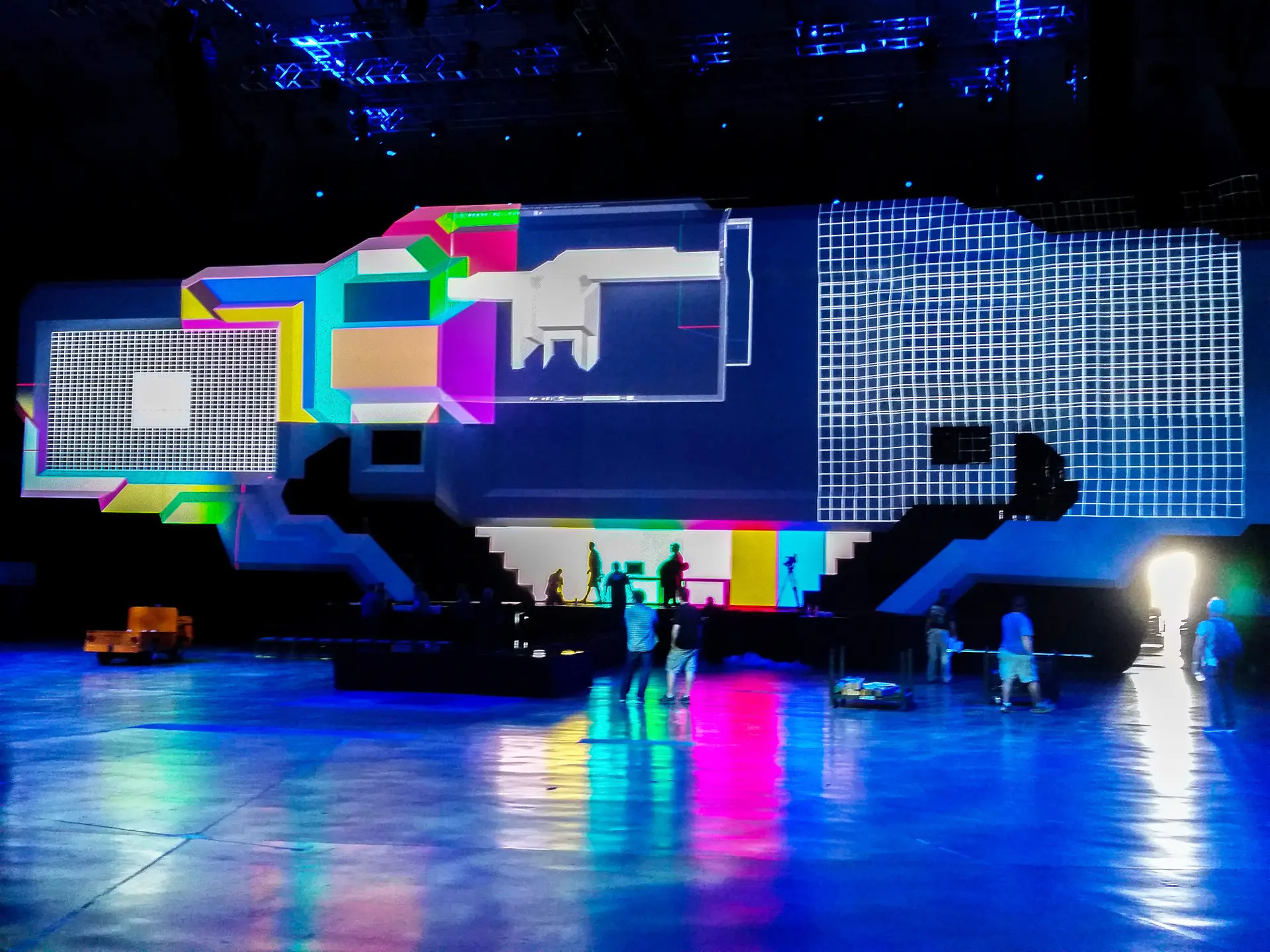
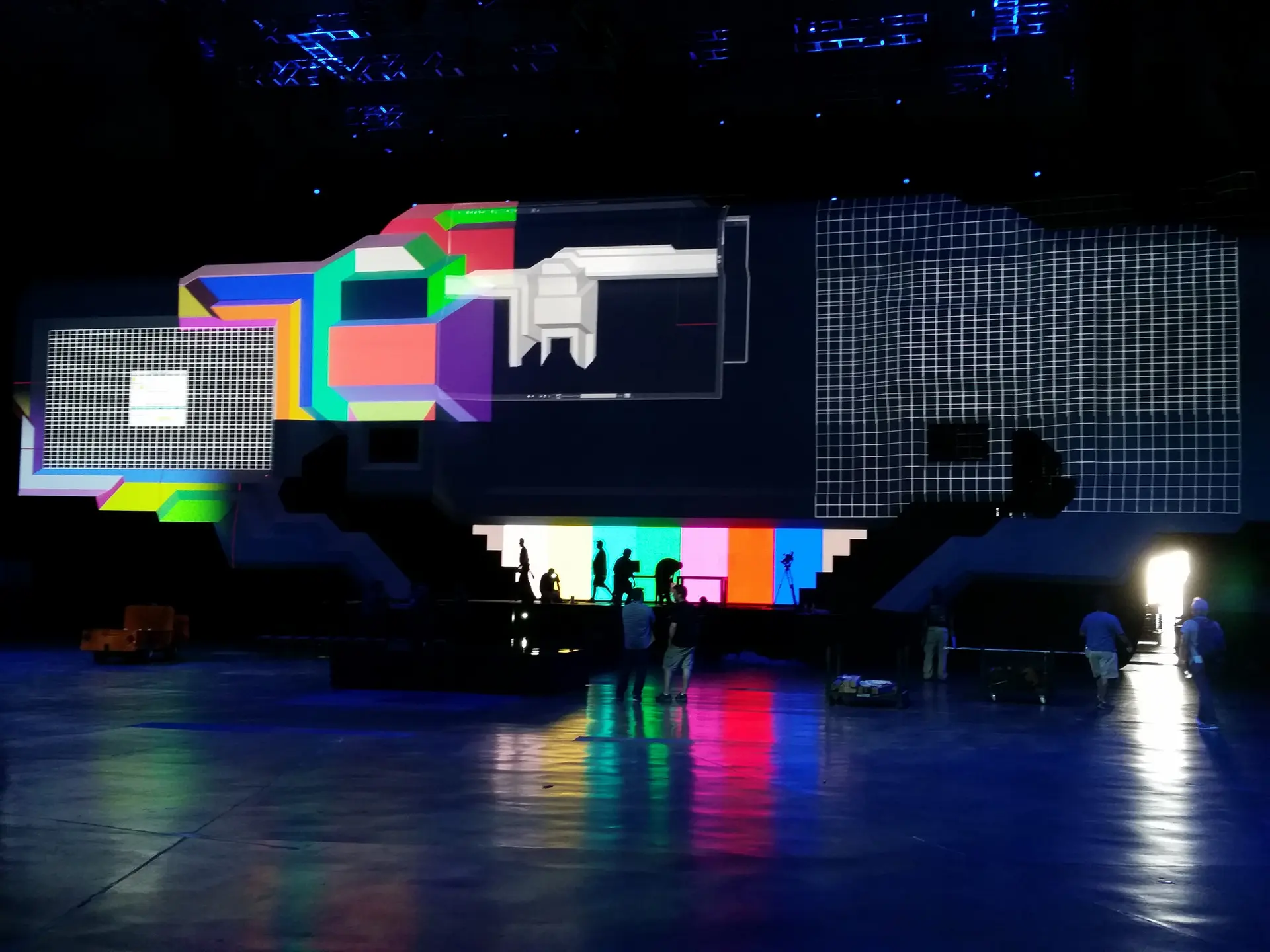
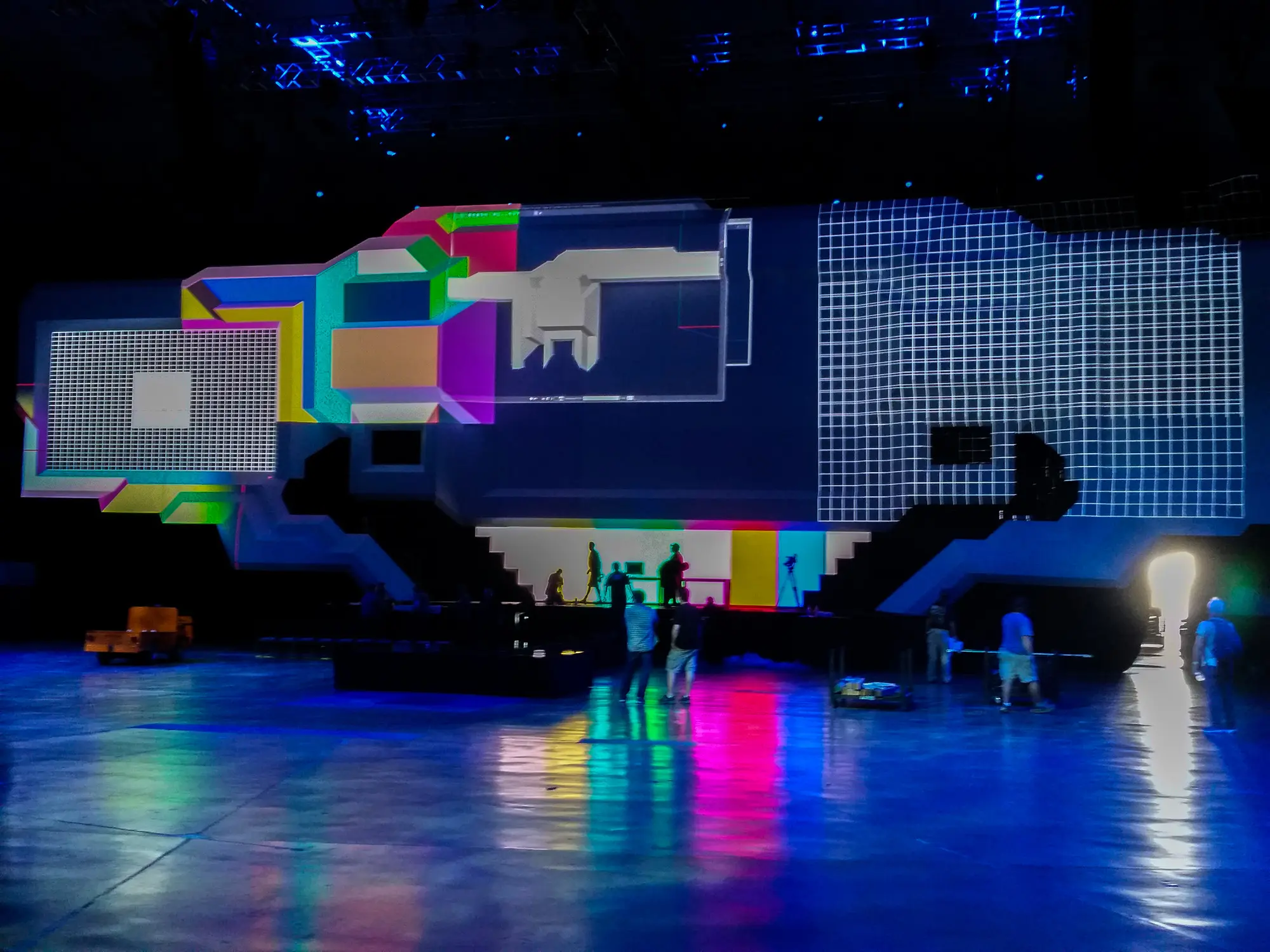
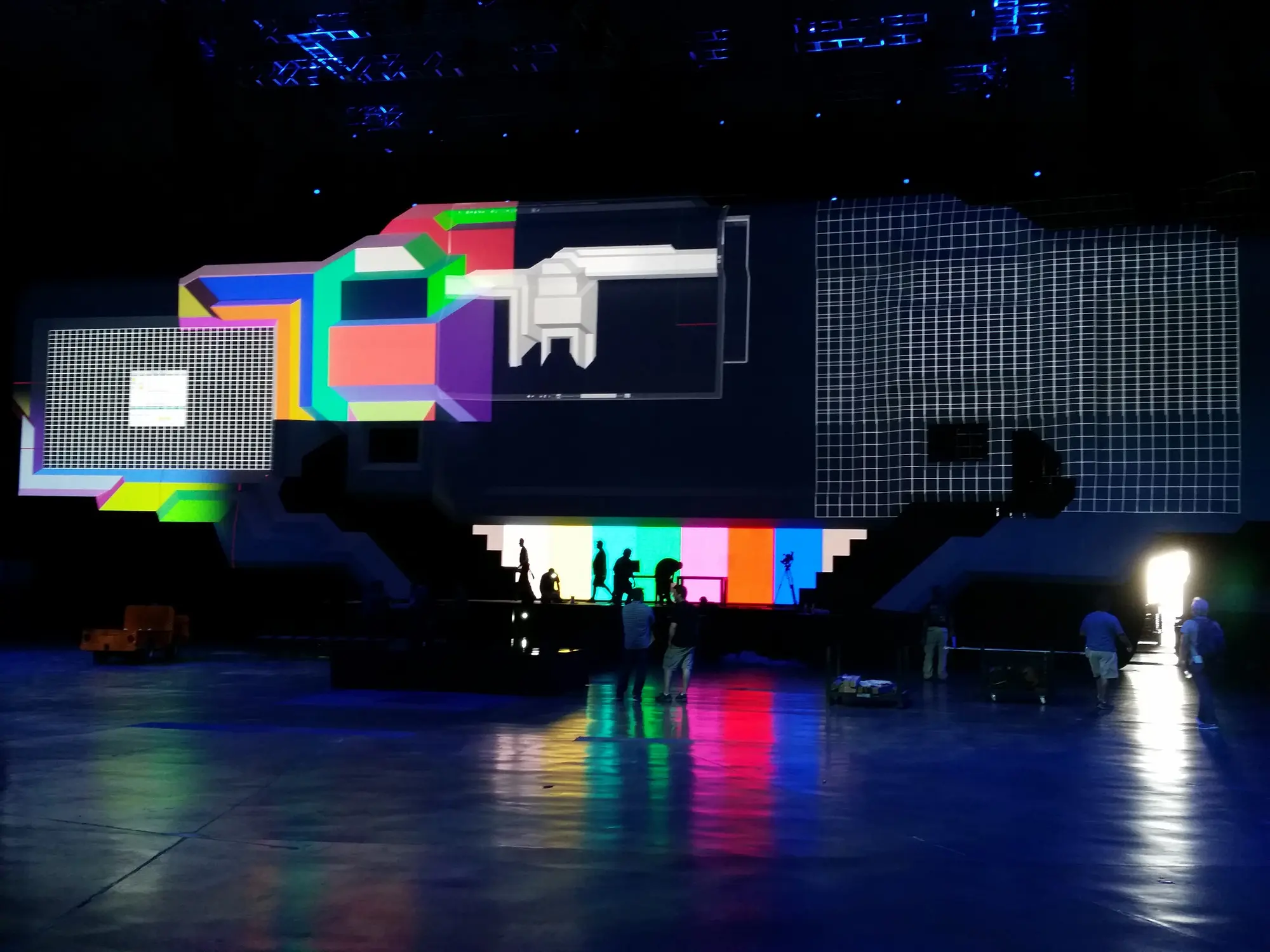
The finals, live — the Protoss look wrapping the stage while the arena watches and millions more watch the broadcast.
The visuals had to hold up at 130 feet and on camera at the same time.